Every game in the library, move by move, with what each move was for. 135 games, 1550 notes, written by a person rather than generated by an engine — arranged first as a book, in 10 chapters with an argument each, and then by opening for looking things up.
Prefer to watch than to read? Every one of these plays out in 3D from the library. Prefer to solve? Every one of them ends in a mate you can go and find.
No game matches all of those.
The book
77 of the 135, in an order — 10 chapters running from a game played in Valencia in 1475 to a world championship in 2016, and from a two-move mate to a fifty-move one. The rest of the library is underneath, by opening, which is what a reference is for. This is the other thing.
Before there was a champion
Four hundred years of chess written down by people who were not keeping score of anything. The oldest game here was played in Valencia in 1475, in a poem, and the youngest in this chapter was played by Napoleon. What they have in common is that nobody involved thought of chess as a career.
-
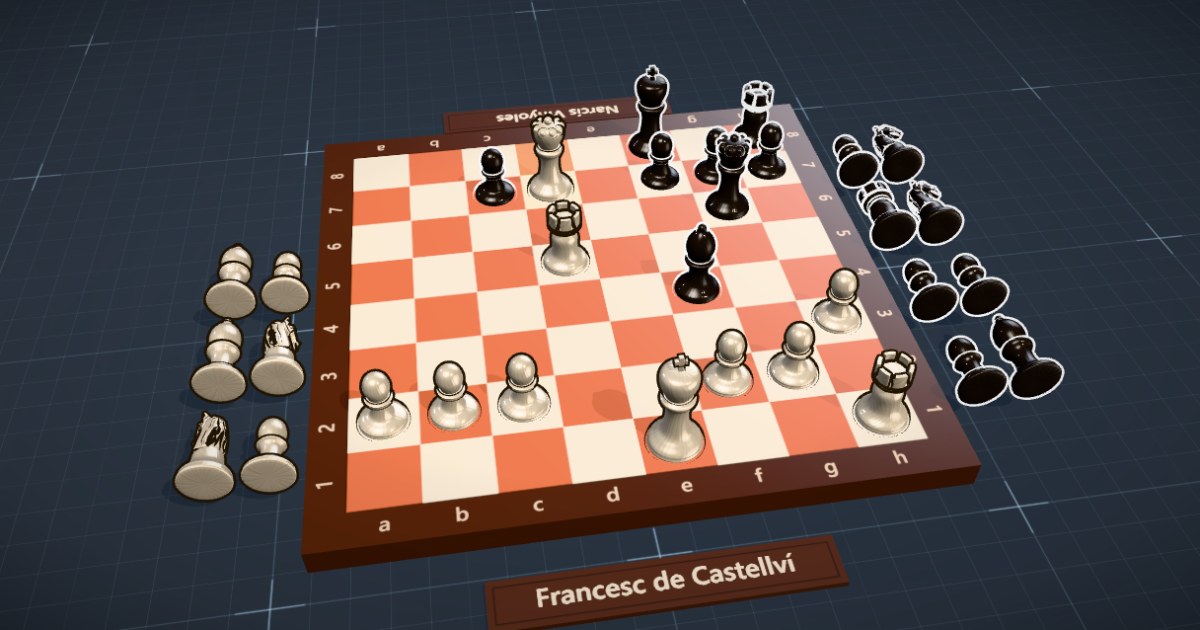 Final position
1–0
Scachs d’Amor 1475Francesc de Castellví — Narcís Vinyoles Scachs d’amor, Valencia · Centre Counter Defence (B01) The oldest game of modern chess anybody has the moves to — written as a poem, and won by the queen the poem was invented to show off. The new queen comes out · A bishop for a knight · The queen takes the wing · Checks on the light squares · Mated by the queen alone21 moves · 11 notes Read annotation →
Final position
1–0
Scachs d’Amor 1475Francesc de Castellví — Narcís Vinyoles Scachs d’amor, Valencia · Centre Counter Defence (B01) The oldest game of modern chess anybody has the moves to — written as a poem, and won by the queen the poem was invented to show off. The new queen comes out · A bishop for a knight · The queen takes the wing · Checks on the light squares · Mated by the queen alone21 moves · 11 notes Read annotation → -
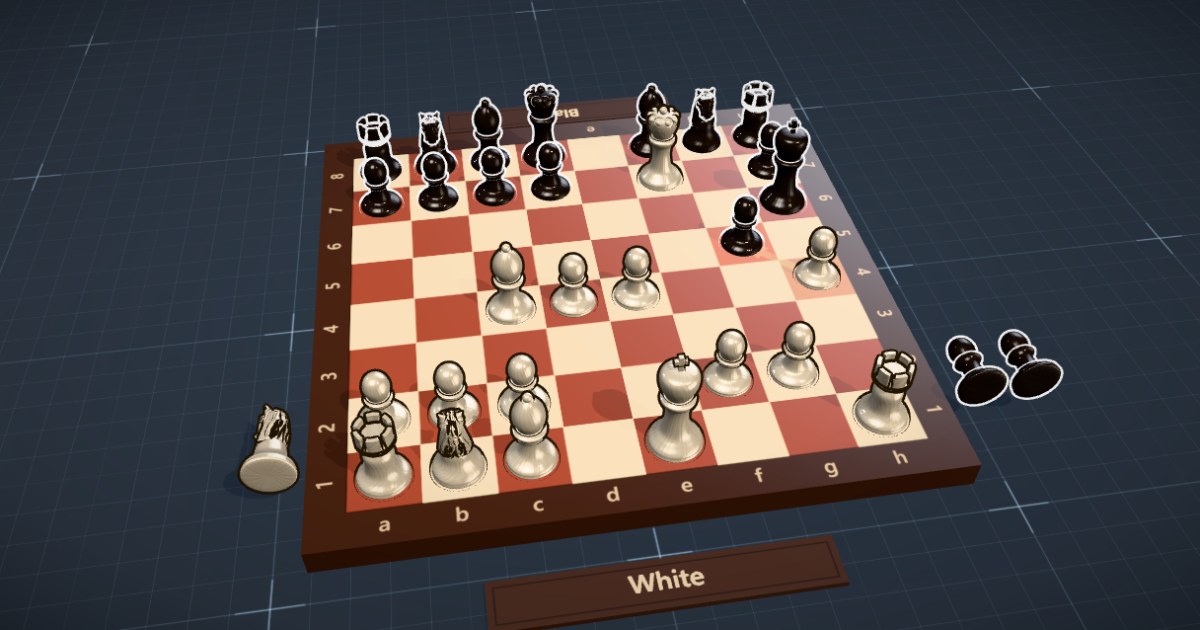 Final position
1–0
Damiano’s Defence, Refuted 1512White — Black From Damiano’s book, Rome · Damiano Defence (C40) A knight given away on move three to drag a king six squares up the board, and a pawn to finish him. The pawn that should not move · A knight for one check · The king walks · Mated by a pawn11 moves · 15 notes Read annotation →
Final position
1–0
Damiano’s Defence, Refuted 1512White — Black From Damiano’s book, Rome · Damiano Defence (C40) A knight given away on move three to drag a king six squares up the board, and a pawn to finish him. The pawn that should not move · A knight for one check · The king walks · Mated by a pawn11 moves · 15 notes Read annotation → -
 Winner: Gioachino Greco
1–0
Greco’s Discovered Queen 1620Gioachino Greco — Amateur From the manuscripts, Rome · Owen’s Defence (B00) A pawn steps aside to uncover the queen, and she is left hanging on the square the check comes through — because the mate does not need her. Two bishops on two diagonals · A pawn for a pawn · The queen uncovered8 moves · 10 notes Read annotation →
Winner: Gioachino Greco
1–0
Greco’s Discovered Queen 1620Gioachino Greco — Amateur From the manuscripts, Rome · Owen’s Defence (B00) A pawn steps aside to uncover the queen, and she is left hanging on the square the check comes through — because the mate does not need her. Two bishops on two diagonals · A pawn for a pawn · The queen uncovered8 moves · 10 notes Read annotation → -
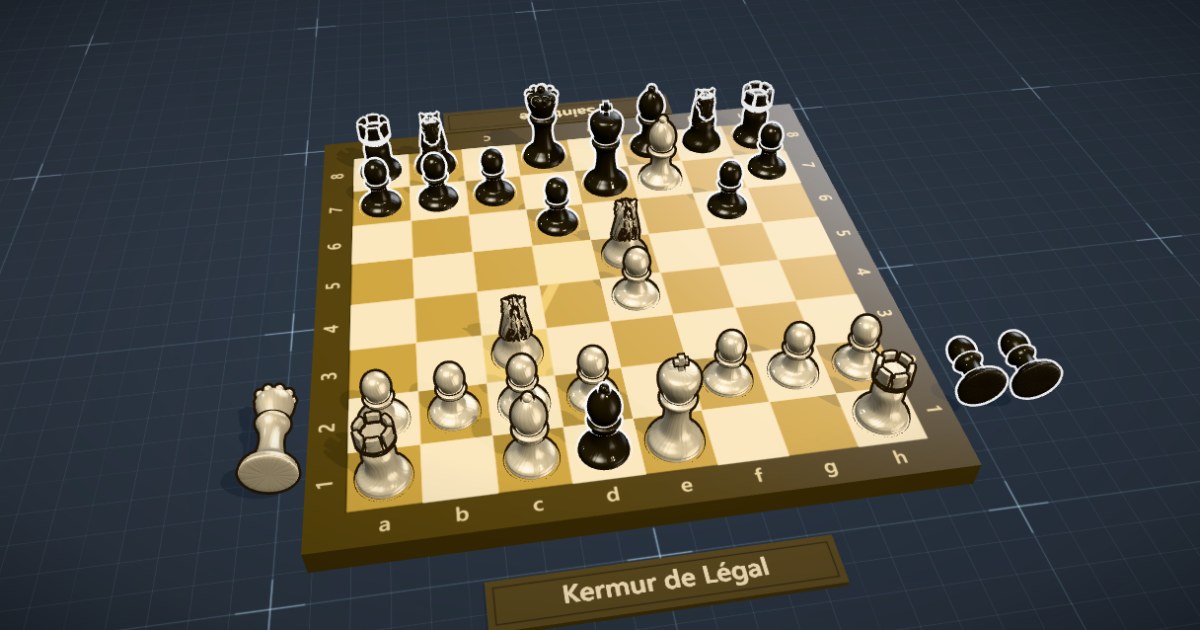 Final position
1–0
Légal’s Mate 1750Kermur de Légal — Saint Brie Café de la Régence, Paris · Philidor Defence (C41) The oldest trap in the book, played by the man it is named after: the queen is left to be taken. Café de la Régence, 1750 · The queen is left there · Légal’s mate7 moves · 9 notes Read annotation →
Final position
1–0
Légal’s Mate 1750Kermur de Légal — Saint Brie Café de la Régence, Paris · Philidor Defence (C41) The oldest trap in the book, played by the man it is named after: the queen is left to be taken. Café de la Régence, 1750 · The queen is left there · Légal’s mate7 moves · 9 notes Read annotation → -
 Winner: Napoleon Bonaparte
1–0
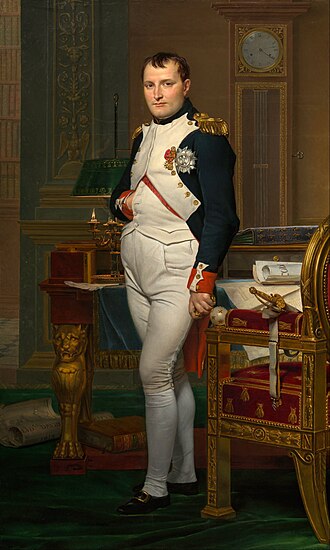
Napoleon’s Game 1804Napoleon Bonaparte — Madame de Rémusat Château de Malmaison (attributed) · Van Geet Opening (A00) A king chased from e8 to d4 and mated in the middle of the board, in a game the collections credit to Napoleon and cannot show he played. Knights first · Both knights forward · The king walks up · Mated on d414 moves · 21 notes Read annotation →
Winner: Napoleon Bonaparte
1–0
Napoleon’s Game 1804Napoleon Bonaparte — Madame de Rémusat Château de Malmaison (attributed) · Van Geet Opening (A00) A king chased from e8 to d4 and mated in the middle of the board, in a game the collections credit to Napoleon and cannot show he played. Knights first · Both knights forward · The king walks up · Mated on d414 moves · 21 notes Read annotation → -
 Winner: Louis-Charles de La Bourdonnais
0–1
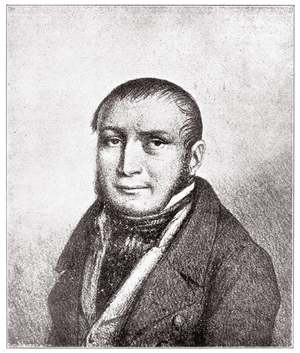
The Knight That Went for the Rook 1836Jouy — Louis-Charles de La Bourdonnais Casual game, Paris · King’s Gambit Accepted, Salvio Gambit (C37) White sends one knight after the rook in the corner, and is mated on g1 by the pieces that stayed. The Salvio Gambit · A knight sent to the corner · The pawns arrive first · Mated on g117 moves · 16 notes Read annotation →
Winner: Louis-Charles de La Bourdonnais
0–1
The Knight That Went for the Rook 1836Jouy — Louis-Charles de La Bourdonnais Casual game, Paris · King’s Gambit Accepted, Salvio Gambit (C37) White sends one knight after the rook in the corner, and is mated on g1 by the pieces that stayed. The Salvio Gambit · A knight sent to the corner · The pawns arrive first · Mated on g117 moves · 16 notes Read annotation →
The mates that have names
Eight shapes, none of them longer than eleven moves. They are named because they keep happening — which means the point of this chapter is not the eight games but the eight patterns, and you will meet every one of them again further down the page in a game that took thirty moves to arrive at it.
-
 Final position
0–1
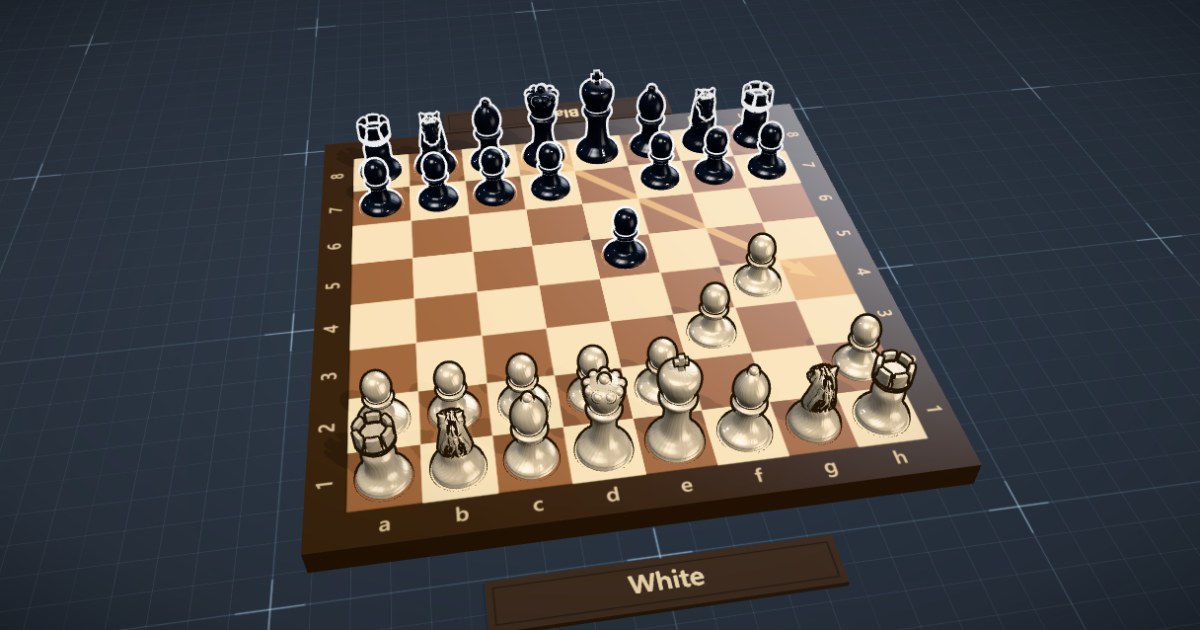
Fool’s Mate TraditionalWhite — Black The shortest game there is · Barnes Opening (A00) Two moves, both of them White’s, and the game is over before a piece has been touched. Two moves2 moves · 4 notes Read annotation →
Final position
0–1
Fool’s Mate TraditionalWhite — Black The shortest game there is · Barnes Opening (A00) Two moves, both of them White’s, and the game is over before a piece has been touched. Two moves2 moves · 4 notes Read annotation → -
 Final position
1–0
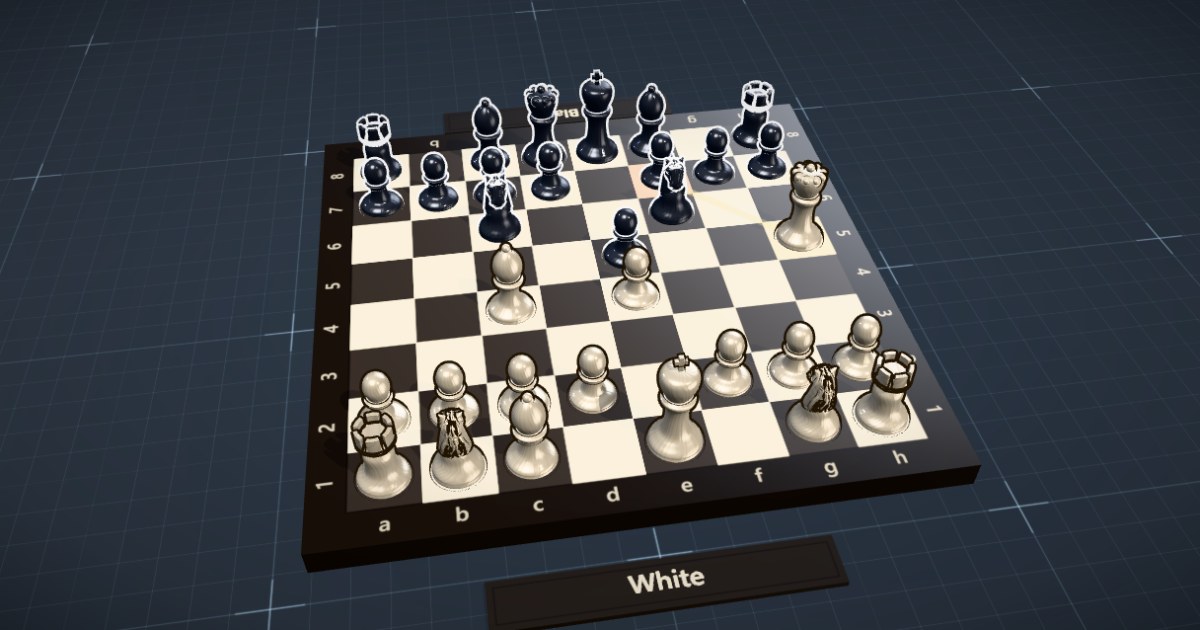
Scholar’s Mate TraditionalWhite — Black The four-move mate · Bishop’s Opening (C23) A bishop and a queen both aimed at f7, and the one square in the position that nothing but a king defends. Both barrels at f7 · The wrong defence4 moves · 5 notes Read annotation →
Final position
1–0
Scholar’s Mate TraditionalWhite — Black The four-move mate · Bishop’s Opening (C23) A bishop and a queen both aimed at f7, and the one square in the position that nothing but a king defends. Both barrels at f7 · The wrong defence4 moves · 5 notes Read annotation → -
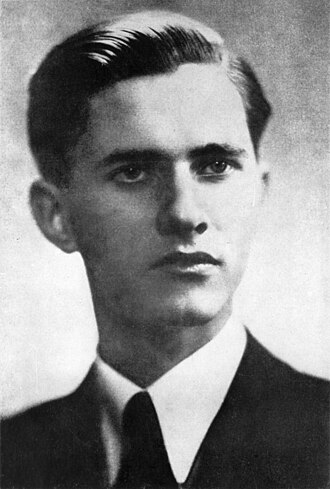 Winner: Paul Keres
1–0
The Six-Move Mate 1950Paul Keres — Edward Arłamowski Szczawno-Zdrój, Poland · Caro-Kann Defence, Two Knights Attack (B11) Six moves, two pawns taken, and a knight mates a king walled in on every side by his own pieces. Caro-Kann · The knight on e4 · Smothered on d66 moves · 8 notes Read annotation →
Winner: Paul Keres
1–0
The Six-Move Mate 1950Paul Keres — Edward Arłamowski Szczawno-Zdrój, Poland · Caro-Kann Defence, Two Knights Attack (B11) Six moves, two pawns taken, and a knight mates a king walled in on every side by his own pieces. Caro-Kann · The knight on e4 · Smothered on d66 moves · 8 notes Read annotation → -
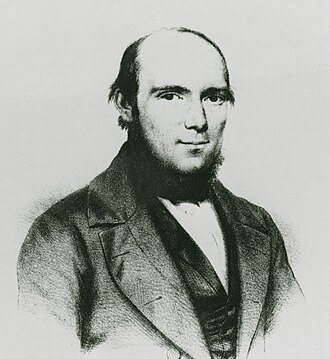 Winner: Adolf Anderssen
0–1
The Shilling Trap 1859Max Lange — Adolf Anderssen Casual game, Breslau · Italian Game, Blackburne Shilling Gambit (C50) Black hands over a pawn on move three, and on move seven the white king is mated on the square he started on, walled in by his own five pieces. Italian Game · The pawn taken · Mated at home7 moves · 10 notes Read annotation →
Winner: Adolf Anderssen
0–1
The Shilling Trap 1859Max Lange — Adolf Anderssen Casual game, Breslau · Italian Game, Blackburne Shilling Gambit (C50) Black hands over a pawn on move three, and on move seven the white king is mated on the square he started on, walled in by his own five pieces. Italian Game · The pawn taken · Mated at home7 moves · 10 notes Read annotation → -
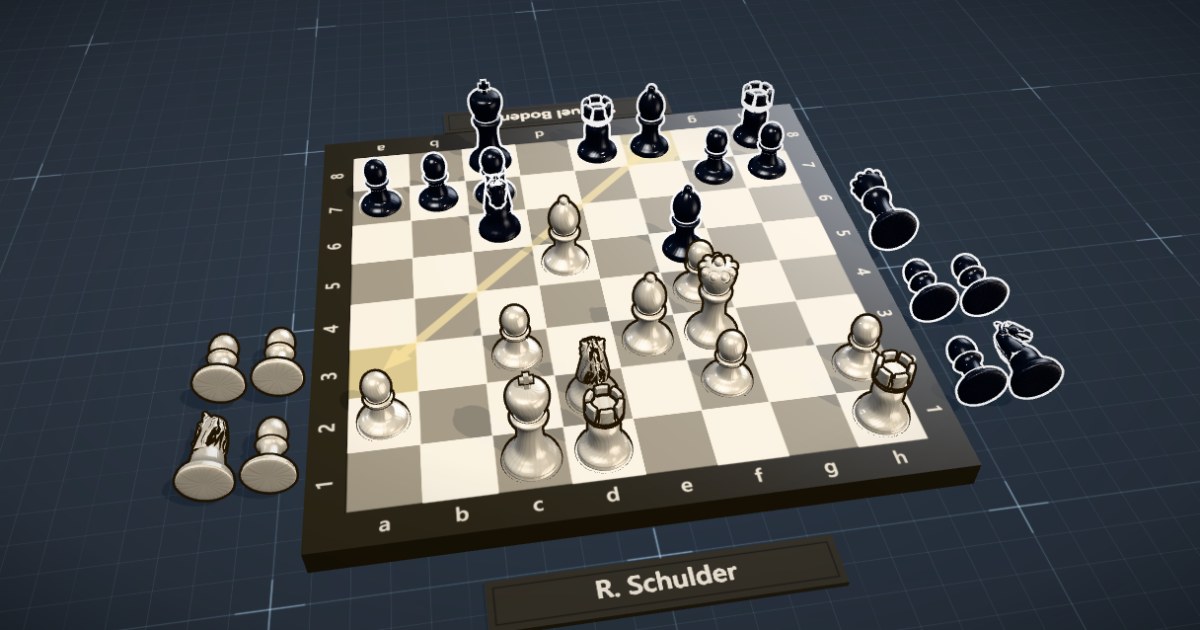 Final position
0–1
Boden’s Mate 1853R. Schulder — Samuel Boden London · Philidor Defence (C41) The queen given away to open one diagonal, and two bishops crossing on the king — the mate that took his name. A wild opening · Pawns everywhere · Both kings castle long · Boden’s mate15 moves · 11 notes Read annotation →
Final position
0–1
Boden’s Mate 1853R. Schulder — Samuel Boden London · Philidor Defence (C41) The queen given away to open one diagonal, and two bishops crossing on the king — the mate that took his name. A wild opening · Pawns everywhere · Both kings castle long · Boden’s mate15 moves · 11 notes Read annotation → -
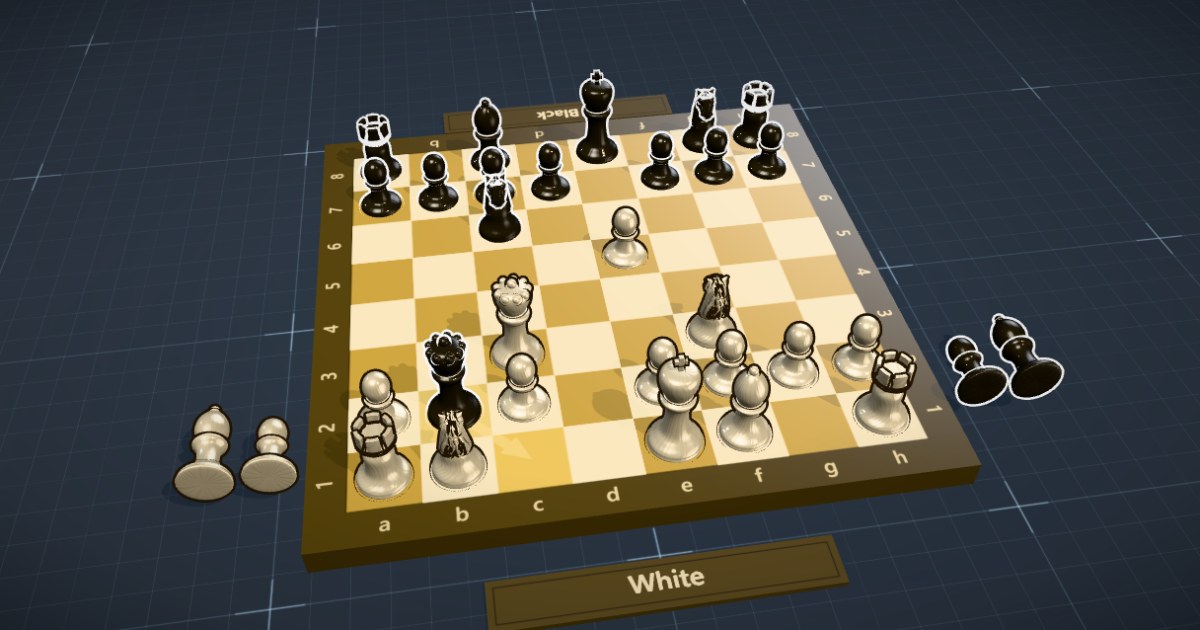 Final position
0–1
The Englund Gambit Trap TraditionalWhite — Black The trap in the Englund Gambit · Englund Gambit (A40) Black’s queen leaves home on move three, takes the pawn on b2, and mates on c1 five moves later. A pawn, offered · The queen goes hunting · Everything traded off c18 moves · 10 notes Read annotation →
Final position
0–1
The Englund Gambit Trap TraditionalWhite — Black The trap in the Englund Gambit · Englund Gambit (A40) Black’s queen leaves home on move three, takes the pawn on b2, and mates on c1 five moves later. A pawn, offered · The queen goes hunting · Everything traded off c18 moves · 10 notes Read annotation → -
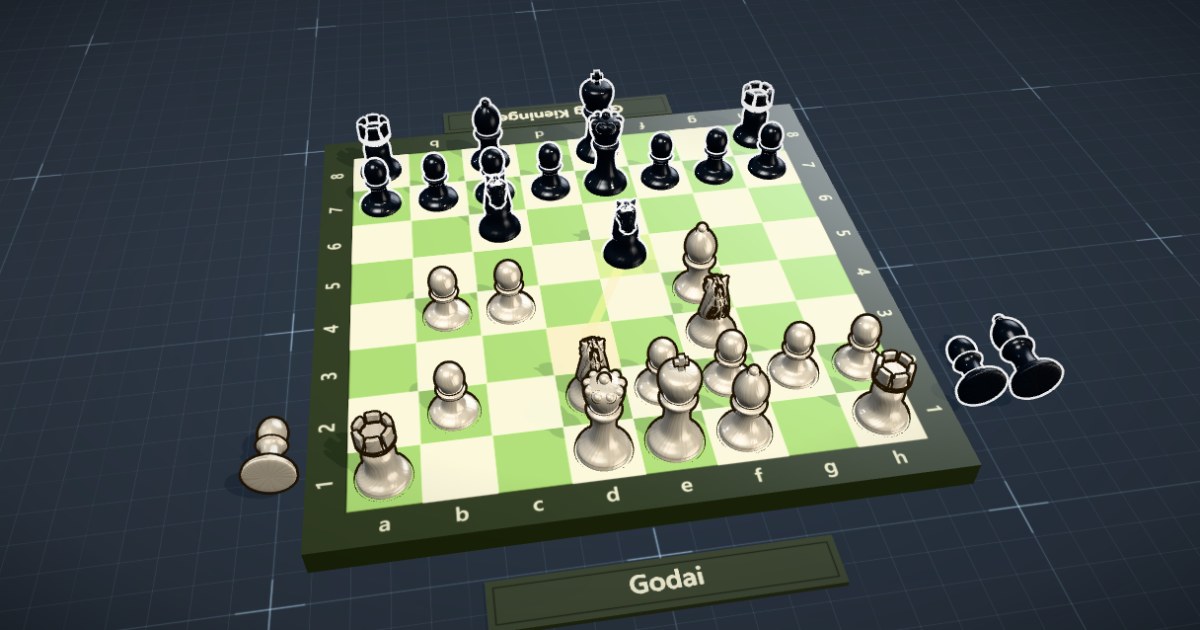 Final position
0–1
The Kieninger Trap 1925Godai — Georg Kieninger Offhand game, Vienna · Budapest Gambit (A52) A knight lands on d3 on move eight and the king is smothered — on his own square, by his own pieces. The Budapest · Both knights at the pawn · A bishop for a mate8 moves · 10 notes Read annotation →
Final position
0–1
The Kieninger Trap 1925Godai — Georg Kieninger Offhand game, Vienna · Budapest Gambit (A52) A knight lands on d3 on move eight and the king is smothered — on his own square, by his own pieces. The Budapest · Both knights at the pawn · A bishop for a mate8 moves · 10 notes Read annotation → -
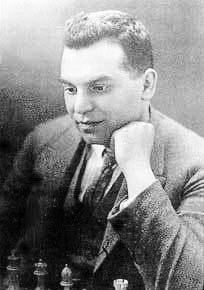 Winner: Richard Réti
1–0
Réti’s Miniature 1910Richard Réti — Savielly Tartakower Vienna · Caro-Kann Defence (B15) Eleven moves, a queen offered on a square where taking her is the only legal move, and mate by a bishop. Caro-Kann · A pawn, and a check · Castling, then the queen · Mate on the square she died on11 moves · 12 notes Read annotation →
Winner: Richard Réti
1–0
Réti’s Miniature 1910Richard Réti — Savielly Tartakower Vienna · Caro-Kann Defence (B15) Eleven moves, a queen offered on a square where taking her is the only legal move, and mate by a bishop. Caro-Kann · A pawn, and a check · Castling, then the queen · Mate on the square she died on11 moves · 12 notes Read annotation →
Anderssen, and what a gambit was for
A schoolmaster from Breslau who gave away more material than anybody before or since, in an age when a pawn was a thing you spent rather than a thing you kept. The first four are him losing and being on the receiving end of it, which is the half nobody prints; the chapter ends with the two games everybody knows.
-
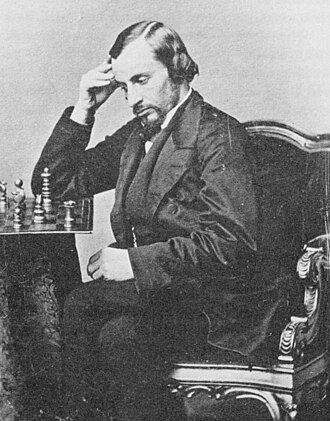 Winner: Daniel Harrwitz
1–0
Anderssen, on the Other End 1848Daniel Harrwitz — Adolf Anderssen Match, Breslau · King’s Gambit Accepted, Bishop’s Gambit (C33) The same opening as the Immortal Game, three years earlier, and this time it is Anderssen’s king that gets walked into the middle of the board. The Bishop’s Gambit · The queen sent home · Both centres broken open · Mated in the middle17 moves · 19 notes Read annotation →
Winner: Daniel Harrwitz
1–0
Anderssen, on the Other End 1848Daniel Harrwitz — Adolf Anderssen Match, Breslau · King’s Gambit Accepted, Bishop’s Gambit (C33) The same opening as the Immortal Game, three years earlier, and this time it is Anderssen’s king that gets walked into the middle of the board. The Bishop’s Gambit · The queen sent home · Both centres broken open · Mated in the middle17 moves · 19 notes Read annotation → -
Winner: Adolf Anderssen
0–1
The Other London Game 1851Lionel Kieseritzky — Adolf Anderssen London · Sicilian Defence, Closed (B20) The same two men as the Immortal Game, the same city and the same year, with the colours the other way round. A quiet Sicilian · The centre traded · White goes at the king · And it comes back20 moves · 15 notes Read annotation →
-
Winner: Adolf Anderssen
0–1
Anderssen Without a Rook 1863Jacob Rosanes — Adolf Anderssen Match, Breslau · King’s Gambit Accepted, Kieseritzky (C39) Anderssen loses a rook on move thirteen, plays on as if he had not, and gives up his queen as well to mate on e1. The Kieseritzky Gambit · A rook given up · Everything at the corner · The queen as well23 moves · 15 notes Read annotation →
-
Winner: Adolf Anderssen
0–1
The Pawn Wedge on e3 1862Carl Mayet — Adolf Anderssen Berlin · Ruy Lopez, Berlin Defence (C65) A pawn parked on e3 for eight moves, a queen given away on g2, and mate by a rook on the square a rook was just taken. The Berlin, 1862 style · A pawn for the centre · The wedge on e3 · The queen for the corner22 moves · 13 notes Read annotation →
-
Winner: Adolf Anderssen
1–0
A Queen and Two Rooks for g7 1859Adolf Anderssen — Berthold Suhle Match, Breslau · Evans Gambit (C51) Anderssen gives away his queen on g7, then a rook on the same square, then the second rook, and mates with the third piece to arrive. The Evans Gambit · The centre, and a knight to the rim · Both files opened on g · Everything for g723 moves · 15 notes Read annotation →
-
Winner: Adolf Anderssen
1–0
The Evergreen Game 1852Adolf Anderssen — Jean Dufresne Casual game, Berlin · Evans Gambit (C52) A rook, a queen and a knight given away in four moves, and two bishops walk the king to mate. Evans Gambit · A pawn on d3, ignored · The queen wanders · Rook, queen, knight · Two bishops finish it24 moves · 21 notes Read annotation →
-
Winner: Adolf Anderssen
1–0
Dufresne, Mated in the Middle 1851Adolf Anderssen — Jean Dufresne Match, Berlin · Evans Gambit, Anderssen Defence (C52) The same two players and the same gambit as the Evergreen Game, a year earlier, and this time the king is mated on c6. The Evans Gambit · A knight to e6, and it stays · Both rooks to the e-file · Mated on c631 moves · 12 notes Read annotation →
-
Winner: Adolf Anderssen
1–0
The Immortal Game 1851Adolf Anderssen — Lionel Kieseritzky Casual game, London · King’s Gambit Accepted, Bishop’s Gambit (C33) White gives up a bishop, both rooks and the queen, and mates with what is left. King’s Gambit · The queen hunt · Rook offered · Both rooks · Mated by three pieces23 moves · 30 notes Read annotation →
Morphy
The whole of it is one idea — get everything out, open the position, and mate with the pieces that are already there — and he had it at twelve, playing his father. Nine years later he beat Anderssen with the same idea, and the last game in this chapter is that. In between he was also mated in twelve moves, which is here too.
-
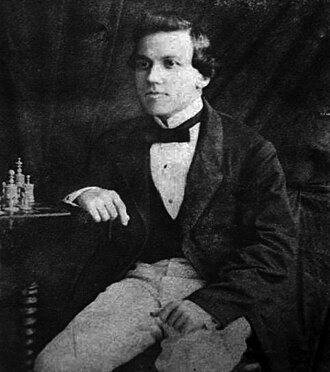 Winner: Paul Morphy
1–0
Twelve Years Old, Against His Father 1849Paul Morphy — Alonzo Morphy Match, New Orleans · Evans Gambit (C51) Morphy at twelve, playing the man who taught him, and the bishop he put on a3 is what holds the mating square. The Evans Gambit · The bishop to a3 · Everything for the open files · Mated on g821 moves · 11 notes Read annotation →
Winner: Paul Morphy
1–0
Twelve Years Old, Against His Father 1849Paul Morphy — Alonzo Morphy Match, New Orleans · Evans Gambit (C51) Morphy at twelve, playing the man who taught him, and the bishop he put on a3 is what holds the mating square. The Evans Gambit · The bishop to a3 · Everything for the open files · Mated on g821 moves · 11 notes Read annotation → -
Paul Morphy
0–1
Morphy, Mated in Twelve 1855Paul Morphy — Charles Maurian Casual game, Alabama · King’s Gambit Accepted, Bishop’s Gambit (C33) Morphy takes a bishop on a6 with his queen and is mated on f2 the move after, by his oldest friend. The Bishop’s Gambit · A bishop, offered twice · The pawn nobody looked at · Mate on f212 moves · 11 notes Read annotation →
-
Winner: Paul Morphy
0–1
Both Rooks, and a Knight on f3 1855Alexander Meek — Paul Morphy Casual game, New Orleans · Scotch Gambit (C44) Morphy loses one rook in the corner, gives the other away on g2, and mates with a knight on the square the g-pawn was defending. The Scotch, and both kings away · Knights traded on f7 · White collects · The king in the corner25 moves · 15 notes Read annotation →
-
Winner: Paul Morphy
0–1
Morphy’s Queen Sacrifice 1857Louis Paulsen — Paul Morphy First American Chess Congress, New York · Four Knights Game (C48) Morphy offers his queen for a pawn on move seventeen and mates eight moves later with a rook and a bishop. Four Knights · A pawn grabbed · Both queens on the wing · The queen offered · A rook and a bishop25 moves · 17 notes Read annotation →
-
Winner: Paul Morphy
1–0
The Opera Game 1858Paul Morphy — Duke of Brunswick & Count Isouard Italian Opera House, Paris · Philidor Defence (C41) Every white piece comes out, none of them twice, and the last two are given away to buy one square. Philidor’s Defence · Both bishops on f7 · Every piece in the game · One more attacker · A queen for a square17 moves · 27 notes Read annotation →
-
Winner: Paul Morphy
0–1
One Square Too Slow 1858Thomas Barnes — Paul Morphy Match, London · Ruy Lopez, Morphy Defence (C77) Two bishops and a rook mate a king in the open on h4, with a white pawn standing on a7 one square from a queen. A Ruy Lopez, and a rook given · A pawn to b2, and a queen on a1 · The race up the a-file · Mated on h430 moves · 13 notes Read annotation →
-
Winner: Paul Morphy
0–1
A Rook Given on f2 1858Henry Bird — Paul Morphy Match, London · Philidor Defence (C41) Morphy gives a rook on f2 for nothing visible, and the queen that comes after it never stops checking until Bird stops the game. A Philidor, and a pawn thrown forward · The queen to h3 · A rook given on f2 · Checks to the end29 moves · 10 notes Read annotation →
-
Winner: Paul Morphy
1–0
The Two Best Players Alive 1858Paul Morphy — Adolf Anderssen Match, Paris · King’s Gambit Accepted, Hanstein Gambit (C38) Morphy plays Anderssen’s own opening against him, gives a knight on g5 and a bishop on f7, and the king never gets to castle. A King’s Gambit, against Anderssen · A knight and a bishop given · The bishop collects · The rook to f719 moves · 9 notes Read annotation →
Steinitz, and the end of the romantics
The man who argued the previous two chapters out of existence — and who spent his twenties playing exactly like them, which is what the first three games here are. The change is visible: by the last one he is winning by accumulating small things and the sacrifice arrives at the end as a receipt rather than as a bet.
-
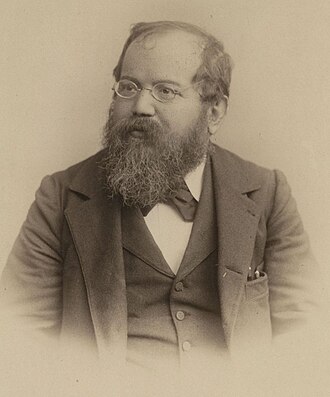 Winner: Wilhelm Steinitz
0–1
Steinitz Gives the Queen Back 1859Carl Hamppe — Wilhelm Steinitz Vienna · Vienna Game, Falkbeer Variation (C29) A white king dragged from e1 to b1 by checks, and a queen handed over on d1 so that a rook can take her place. The Vienna, opened up · A king with no castle · Everything down the d-file · The queen, given back23 moves · 15 notes Read annotation →
Winner: Wilhelm Steinitz
0–1
Steinitz Gives the Queen Back 1859Carl Hamppe — Wilhelm Steinitz Vienna · Vienna Game, Falkbeer Variation (C29) A white king dragged from e1 to b1 by checks, and a queen handed over on d1 so that a rook can take her place. The Vienna, opened up · A king with no castle · Everything down the d-file · The queen, given back23 moves · 15 notes Read annotation → -
Winner: Wilhelm Steinitz
0–1
The Queen Given on h2 1860Reiner — Wilhelm Steinitz Match, Vienna · Scotch Gambit (C44) Steinitz gives his queen on h2 so that a rook can come to g1, where a knight standing on f3 holds it. The Scotch Gambit · Two bishops for a rook · The knight to f3 · The queen for the g-file18 moves · 11 notes Read annotation →
-
Winner: Wilhelm Steinitz
1–0
Mated by the a-Pawn 1863Wilhelm Steinitz — Rock London · Evans Gambit (C52) Six checks walk a king from e8 to a4, where a pawn takes a knight and gives double check with the rook behind it. The Evans Gambit · A queen left hanging · The king walks · Double check by a pawn18 moves · 9 notes Read annotation →
-
Winner: Wilhelm Steinitz
1–0
The Rook on h7 1862Wilhelm Steinitz — Augustus Mongredien London · Scandinavian Defence (B01) A rook given away on h7 to pull a king out, and eleven checks to walk him from g8 to d8. A quiet Scandinavian · The rook lift · The rook on h7 · The king walked home29 moves · 15 notes Read annotation →
-
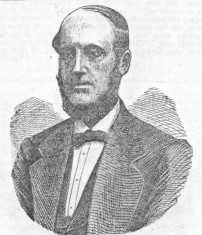 Winner: Henry Bird
1–0
The Rook Nobody Should Have Taken 1866Henry Bird — Wilhelm Steinitz Match, London · Ruy Lopez, Berlin Defence (C65) Steinitz takes a rook in the corner with a knight and never gets it out again; the mate is by a pawn on f7. The Berlin · A rook for a knight’s freedom · Two pawns up the board · Mate on f719 moves · 10 notes Read annotation →
Winner: Henry Bird
1–0
The Rook Nobody Should Have Taken 1866Henry Bird — Wilhelm Steinitz Match, London · Ruy Lopez, Berlin Defence (C65) Steinitz takes a rook in the corner with a knight and never gets it out again; the mate is by a pawn on f7. The Berlin · A rook for a knight’s freedom · Two pawns up the board · Mate on f719 moves · 10 notes Read annotation → -
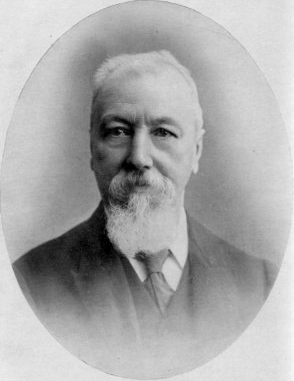 Winner: Joseph Henry Blackburne
1–0
Blackburne Beats the Champion 1883Joseph Henry Blackburne — Wilhelm Steinitz London · Three Knights Game (C46) A rook lifted to h3, a rook given away on f8, and the queen taking the h-pawn with the other rook holding her there. The Four Knights · The dark squares traded · The pawns break · Two rooks and a queen on h27 moves · 13 notes Read annotation →
Winner: Joseph Henry Blackburne
1–0
Blackburne Beats the Champion 1883Joseph Henry Blackburne — Wilhelm Steinitz London · Three Knights Game (C46) A rook lifted to h3, a rook given away on f8, and the queen taking the h-pawn with the other rook holding her there. The Four Knights · The dark squares traded · The pawns break · Two rooks and a queen on h27 moves · 13 notes Read annotation → -
Winner: Wilhelm Steinitz
1–0
The Man Who Walked Out 1895Wilhelm Steinitz — Curt von Bardeleben Hastings · Italian Game, Classical Variation (C54) Steinitz leaves a rook to be taken on four consecutive moves, and plays the mate out to an empty chair after his opponent leaves the building. Italian Game · Pieces off, king in the middle · The knight to e6 · A rook on the seventh, four times · The finish, played to an empty chair35 moves · 25 notes Read annotation →
The king dragged into the open
A king that leaves its house is not usually mated where it stands — it is walked, square by square, to the middle of the board and mated there. Eight games about the same journey, in which the attacker is almost never the one who is a piece up.
-
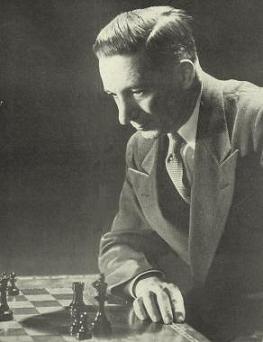 Winner: Edward Lasker
1–0
The King Hunt 1912Edward Lasker — George Thomas City of London Chess Club · Dutch Defence (A40) A queen sacrifice on h7 and the black king is marched from h8 to g1, where he is mated on White’s home square. A quiet Dutch · Both queens come out · The queen on h7 · h8 to g118 moves · 11 notes Read annotation →
Winner: Edward Lasker
1–0
The King Hunt 1912Edward Lasker — George Thomas City of London Chess Club · Dutch Defence (A40) A queen sacrifice on h7 and the black king is marched from h8 to g1, where he is mated on White’s home square. A quiet Dutch · Both queens come out · The queen on h7 · h8 to g118 moves · 11 notes Read annotation → -
 Winner: Louis Paulsen
0–1
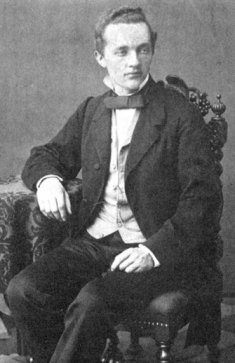
The King Walked to h5 1862George Mackenzie — Louis Paulsen Match, London · King’s Gambit Accepted, Kieseritzky Gambit (C39) White’s king leaves f1 on move seven and is mated on h4 — and the pawn covering g3 at the end is the gambit pawn from move two. The Kieseritzky Gambit · The king leaves f1 · A rook given on h4 · Mated on h420 moves · 10 notes Read annotation →
Winner: Louis Paulsen
0–1
The King Walked to h5 1862George Mackenzie — Louis Paulsen Match, London · King’s Gambit Accepted, Kieseritzky Gambit (C39) White’s king leaves f1 on move seven and is mated on h4 — and the pawn covering g3 at the end is the gambit pawn from move two. The Kieseritzky Gambit · The king leaves f1 · A rook given on h4 · Mated on h420 moves · 10 notes Read annotation → -
 Winner: Rudolf Spielmann
1–0
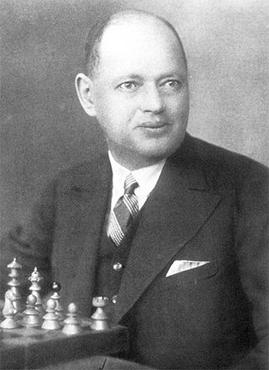
A King Walked to c5 1928Rudolf Spielmann — Max Walter Trenčianske Teplice · Caro-Kann Defence (B10) A pawn thrown onto e6 on move eight, and a black king walked from e8 to c5 by force, with the queen given away on the way. A Caro-Kann, opened · The pawn on e6 · The knight to f7 · The king walked to c520 moves · 11 notes Read annotation →
Winner: Rudolf Spielmann
1–0
A King Walked to c5 1928Rudolf Spielmann — Max Walter Trenčianske Teplice · Caro-Kann Defence (B10) A pawn thrown onto e6 on move eight, and a black king walked from e8 to c5 by force, with the queen given away on the way. A Caro-Kann, opened · The pawn on e6 · The knight to f7 · The king walked to c520 moves · 11 notes Read annotation → -
Winner: Joseph Henry Blackburne
0–1
Blackburne’s Corner 1863Alexander Steinkuehler — Joseph Henry Blackburne Manchester · Giuoco Piano (C54) A knight parked on h3 for five moves, a queen given away on g1, and a bishop that had not moved all game delivering mate. The Giuoco Piano · Knights traded, files opened · The knight to h3 · The queen for the corner22 moves · 11 notes Read annotation →
-
Winner: Joseph Henry Blackburne
1–0
The Black Death, and a King on f4 1889Joseph Henry Blackburne — Jackson Showalter Sixth American Chess Congress, New York · Queen’s Gambit Declined (D50) Six checks in a row walk the black king from f8 to f4, and a knight steps to h3 with nothing left to answer it. A Queen’s Gambit, and a pawn on d4 · The knight to d5 · A rook given on e6 · The king walks to f421 moves · 11 notes Read annotation →
-
 Final position
1–0
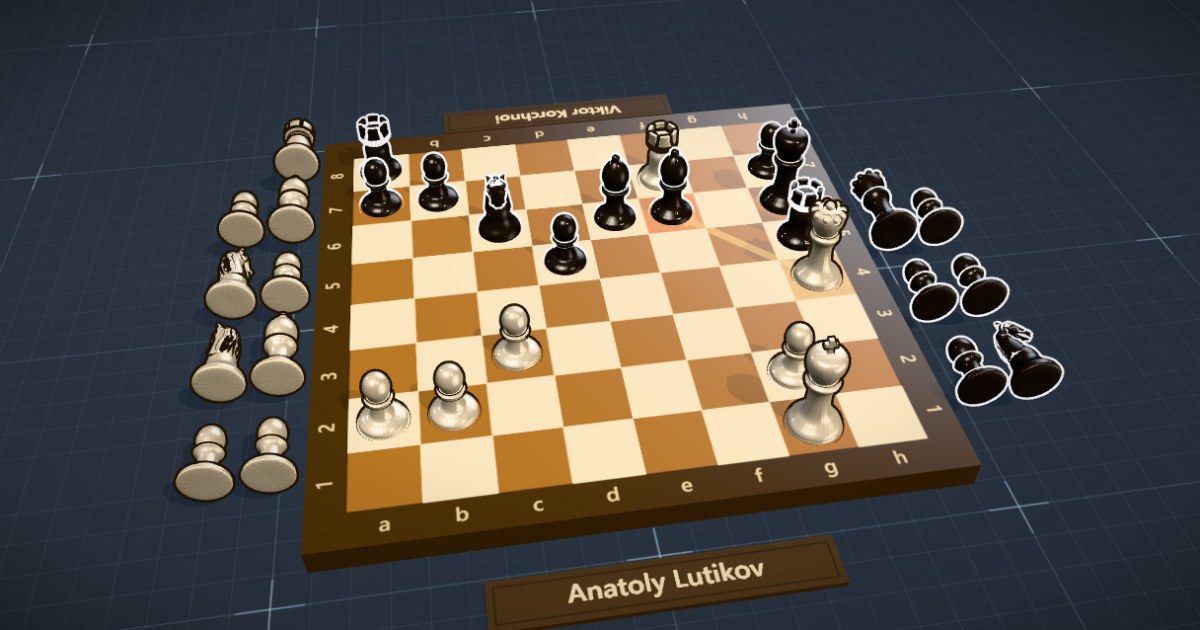
The King That Ate Four Men 1951Anatoly Lutikov — Viktor Korchnoi Chigorin Memorial, Leningrad · King’s Gambit Accepted, Cunningham Defence (C35) Korchnoi’s king takes a bishop, a knight, a pawn and a knight on its way from e8 to h6, and is mated there. The Cunningham Defence · The king takes four men · Driven to h6 · Both rooks on the f-file24 moves · 13 notes Read annotation →
Final position
1–0
The King That Ate Four Men 1951Anatoly Lutikov — Viktor Korchnoi Chigorin Memorial, Leningrad · King’s Gambit Accepted, Cunningham Defence (C35) Korchnoi’s king takes a bishop, a knight, a pawn and a knight on its way from e8 to h6, and is mated there. The Cunningham Defence · The king takes four men · Driven to h6 · Both rooks on the f-file24 moves · 13 notes Read annotation → -
 Winner: Vasily Smyslov
1–0
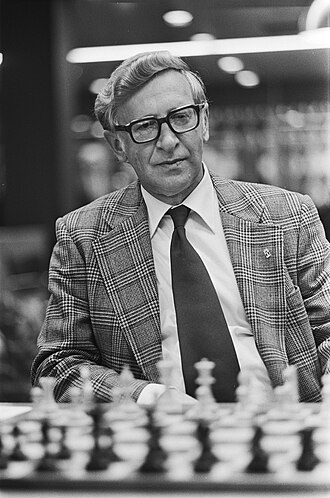
The King Helps With the Mate 1972Vasily Smyslov — Jonathan Mestel Hastings 1972/73 · English Opening, Four Knights (A29) A former world champion mates a king on h4 with a rook, a queen and his own king on f2 covering one of the squares. A Four Knights English · Everything traded on e2 · Three pieces given for the king · Kf2, and mate34 moves · 11 notes Read annotation →
Winner: Vasily Smyslov
1–0
The King Helps With the Mate 1972Vasily Smyslov — Jonathan Mestel Hastings 1972/73 · English Opening, Four Knights (A29) A former world champion mates a king on h4 with a rook, a queen and his own king on f2 covering one of the squares. A Four Knights English · Everything traded on e2 · Three pieces given for the king · Kf2, and mate34 moves · 11 notes Read annotation → -
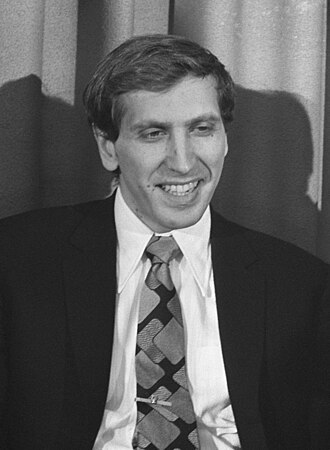 Winner: Bobby Fischer
1–0
Thirteen King Moves 1970Bobby Fischer — Milan Matulović Blitz tournament, Herceg Novi · Ruy Lopez, Schliemann Defence (C63) The blitz tournament Fischer won by four and a half points: the black king makes thirteen moves and is mated on g3. The Schliemann · A queen loose on h3 · Both rooks on the seventh · The king walks to g333 moves · 12 notes Read annotation →
Winner: Bobby Fischer
1–0
Thirteen King Moves 1970Bobby Fischer — Milan Matulović Blitz tournament, Herceg Novi · Ruy Lopez, Schliemann Defence (C63) The blitz tournament Fischer won by four and a half points: the black king makes thirteen moves and is mated on g3. The Schliemann · A queen loose on h3 · Both rooks on the seventh · The king walks to g333 moves · 12 notes Read annotation →
The queen, given away
The piece is worth nine pawns and in every one of these it is worth nothing, because the position had stopped being about material. Read them close together and the common thread is visible: in each, the queen is given to a square that a defender cannot leave.
-
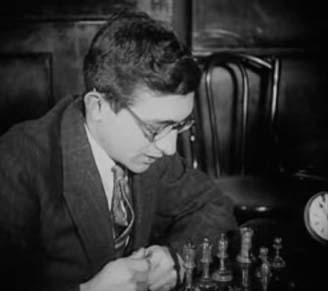 Carlos Torre
1–0
The Queen Offered Five Times 1920Edwin Adams — Carlos Torre New Orleans · Philidor Defence (C41) A white queen put on five different squares where Black can take her, and every time she cannot be touched — because of one rook on the back rank. A Philidor, and the bishops come off · Both rooks to the e-file · The queen offered · And offered again23 moves · 12 notes Read annotation →
Carlos Torre
1–0
The Queen Offered Five Times 1920Edwin Adams — Carlos Torre New Orleans · Philidor Defence (C41) A white queen put on five different squares where Black can take her, and every time she cannot be touched — because of one rook on the back rank. A Philidor, and the bishops come off · Both rooks to the e-file · The queen offered · And offered again23 moves · 12 notes Read annotation → -
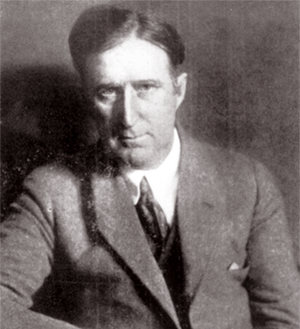 Winner: Frank Marshall
0–1
The Queen on g3 1912Stepan Levitsky — Frank Marshall DSB Congress, Breslau · Sicilian Defence, French Variation (B40) A queen put on g3 where three different men can take her, and every one of the three loses. A French Sicilian · Both bishops off · A knight to d4, a rook to h323 moves · 8 notes Read annotation →
Winner: Frank Marshall
0–1
The Queen on g3 1912Stepan Levitsky — Frank Marshall DSB Congress, Breslau · Sicilian Defence, French Variation (B40) A queen put on g3 where three different men can take her, and every one of the three loses. A French Sicilian · Both bishops off · A knight to d4, a rook to h323 moves · 8 notes Read annotation → -
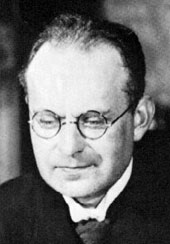 Winner: Aaron Nimzowitsch
1–0
A Queen Given on d8 1914Aaron Nimzowitsch — Simon Alapin St Petersburg · French Defence, Rubinstein Variation (C11) Black takes a pawn on g2 with the queen and spends the rest of the game paying for it; the mate is a rook on e8. A French, exchanged · The pawn on g2 · Castling into the file · Two pieces offered18 moves · 11 notes Read annotation →
Winner: Aaron Nimzowitsch
1–0
A Queen Given on d8 1914Aaron Nimzowitsch — Simon Alapin St Petersburg · French Defence, Rubinstein Variation (C11) Black takes a pawn on g2 with the queen and spends the rest of the game paying for it; the mate is a rook on e8. A French, exchanged · The pawn on g2 · Castling into the file · Two pieces offered18 moves · 11 notes Read annotation → -
 Winner: Alexander Alekhine
1–0
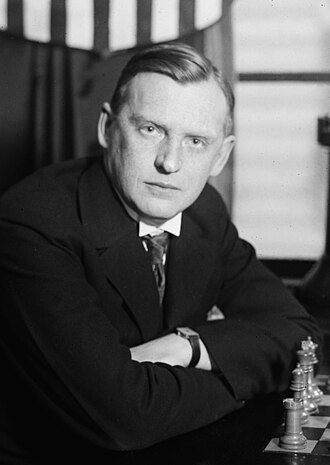
The Queen on e6 1916Alexander Alekhine — Feldt Simultaneous display · French Defence (C11) A knight given on f7 and a queen offered on e6, where three different black men could take her and none of them may. A French, exchanged · Two knights at the king · The knight on f7 · Mated on g618 moves · 11 notes Read annotation →
Winner: Alexander Alekhine
1–0
The Queen on e6 1916Alexander Alekhine — Feldt Simultaneous display · French Defence (C11) A knight given on f7 and a queen offered on e6, where three different black men could take her and none of them may. A French, exchanged · Two knights at the king · The knight on f7 · Mated on g618 moves · 11 notes Read annotation → -
Winner: Alexander Alekhine
0–1
Both Rooks, and a Bishop on h4 1913Rodzinski — Alexander Alekhine Casual game, Paris · Italian Game (C50) Alekhine lets both rooks be taken, gives up a knight as well, and mates with a bishop that has just come out. An Italian Game · Everything traded on f7 · The rooks collected · The queen on d315 moves · 10 notes Read annotation →
-
 Winner: Siegbert Tarrasch
0–1
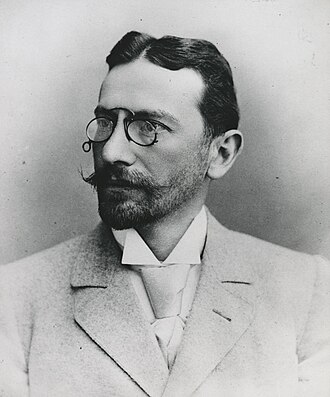
A Rook for the Back Rank 1902Arturo Reggio — Siegbert Tarrasch Monte Carlo · Sicilian Defence, Four Knights (B45) White wins a rook in the corner on move nine and never touches the knight again; Tarrasch mates him on c3 with everything else. A Sicilian, four knights · The fork on c7 · Everything at e115 moves · 10 notes Read annotation →
Winner: Siegbert Tarrasch
0–1
A Rook for the Back Rank 1902Arturo Reggio — Siegbert Tarrasch Monte Carlo · Sicilian Defence, Four Knights (B45) White wins a rook in the corner on move nine and never touches the knight again; Tarrasch mates him on c3 with everything else. A Sicilian, four knights · The fork on c7 · Everything at e115 moves · 10 notes Read annotation → -
 Winner: Alexander Kotov
0–1
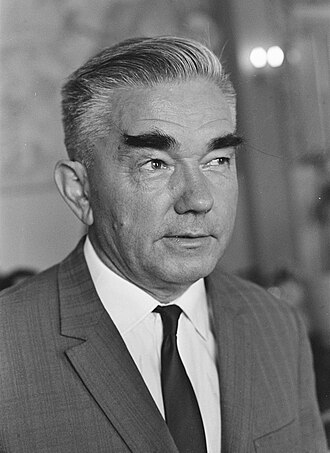
The Queen Given on h3 1953Yuri Averbakh — Alexander Kotov Candidates Tournament, Zürich · Old Indian Defence (A55) A queen given on h3 for a pawn, and then twenty moves of a white king pinned between g4 and f5 by one knight. An Old Indian, and a closed centre · g4 and f5 · The queen on h3 · The knight checks, and checks51 moves · 12 notes Read annotation →
Winner: Alexander Kotov
0–1
The Queen Given on h3 1953Yuri Averbakh — Alexander Kotov Candidates Tournament, Zürich · Old Indian Defence (A55) A queen given on h3 for a pawn, and then twenty moves of a white king pinned between g4 and f5 by one knight. An Old Indian, and a closed centre · g4 and f5 · The queen on h3 · The knight checks, and checks51 moves · 12 notes Read annotation → -
 Winner: Rashid Nezhmetdinov
0–1
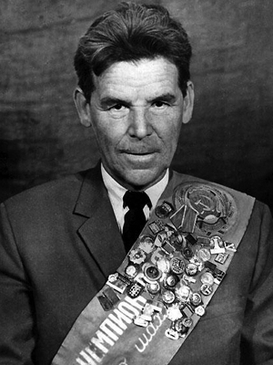
The Queen for Three Pieces and a King 1958Lev Polugaevsky — Rashid Nezhmetdinov Russian Championship, Sochi · Old Indian Defence (A53) A queen given on h2 and never recovered: two rooks, two knights and a bishop walk the white king from f2 to a5. An Old Indian, and both queens out · Pawns at each other on the kingside · The queen sits on h2 · The king walked to a533 moves · 11 notes Read annotation →
Winner: Rashid Nezhmetdinov
0–1
The Queen for Three Pieces and a King 1958Lev Polugaevsky — Rashid Nezhmetdinov Russian Championship, Sochi · Old Indian Defence (A53) A queen given on h2 and never recovered: two rooks, two knights and a bishop walk the white king from f2 to a5. An Old Indian, and both queens out · Pawns at each other on the kingside · The queen sits on h2 · The king walked to a533 moves · 11 notes Read annotation →
Two bishops, two rooks
The sacrifice that became a technique. Lasker gave away both bishops on h7 and g7 in 1889 and the idea has a name because of it; everything after is somebody doing the same thing knowingly, which is the difference between a brilliancy and a method.
-
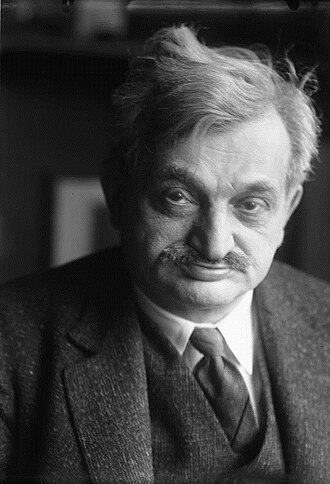 Winner: Emanuel Lasker
1–0
Both Bishops, on h7 and g7 1889Emanuel Lasker — Johann Bauer Amsterdam · Bird Opening (A03) The first double bishop sacrifice anybody wrote down: one on h7, one on g7, and a queen check that collects the bishop on b7. A Bird Opening, quietly · Both bishops given · The rook for the queen · Twenty moves of a lost position38 moves · 13 notes Read annotation →
Winner: Emanuel Lasker
1–0
Both Bishops, on h7 and g7 1889Emanuel Lasker — Johann Bauer Amsterdam · Bird Opening (A03) The first double bishop sacrifice anybody wrote down: one on h7, one on g7, and a queen check that collects the bishop on b7. A Bird Opening, quietly · Both bishops given · The rook for the queen · Twenty moves of a lost position38 moves · 13 notes Read annotation → -
Winner: Siegbert Tarrasch
0–1
Both Bishops, on h2 and g2 1914Aaron Nimzowitsch — Siegbert Tarrasch St Petersburg · Queen’s Gambit Declined, Tarrasch (D30) Tarrasch takes both pawns in front of the castled king with both bishops, one move apart, and walks the king from g1 to d7. Queen’s Gambit Declined · The centre cleared · Both bishops · The king walked to d732 moves · 12 notes Read annotation →
-
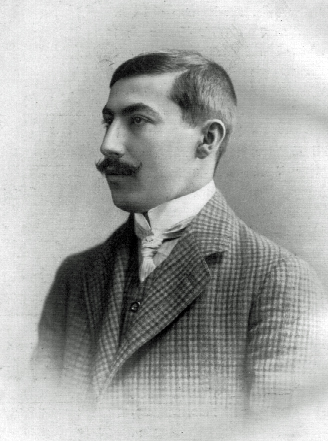 Winner: Akiba Rubinstein
1–0
The Long Diagonal 1928Akiba Rubinstein — Savielly Tartakower Bad Kissingen · Budapest Gambit (A52) Tartakower takes the pawn on b2 with his queen; twenty moves later the bishop that pawn was covering delivers mate from c3. The Budapest · The pawn on b2 · A knight for the h-file · The diagonal collected28 moves · 10 notes Read annotation →
Winner: Akiba Rubinstein
1–0
The Long Diagonal 1928Akiba Rubinstein — Savielly Tartakower Bad Kissingen · Budapest Gambit (A52) Tartakower takes the pawn on b2 with his queen; twenty moves later the bishop that pawn was covering delivers mate from c3. The Budapest · The pawn on b2 · A knight for the h-file · The diagonal collected28 moves · 10 notes Read annotation → -
Winner: Richard Réti
0–1
Two Rooks for Four Checks 1920Max Euwe — Richard Réti Match, Amsterdam · Two Knights Defence, Max Lange (C56) White takes both rooks in the corners; Réti answers with a bishop on g2 and four checks, and mates on f2. The Max Lange · Queens in the middle · Both rooks collected · Four checks22 moves · 10 notes Read annotation →
-
Winner: Bobby Fischer
1–0
Both Wings at Once 1967Bobby Fischer — Lhamsuren Myagmarsuren Interzonal, Sousse · French Defence, King’s Indian Attack (C00) Both players attack on opposite sides of the board, and White arrives one move first — with a black pawn sitting on c2, one square from a new queen. King’s Indian Attack · e5 closes the centre · Two attacks, opposite wings · The queen comes over · h5, and a pawn on c2 · The queen given away33 moves · 26 notes Read annotation →
-
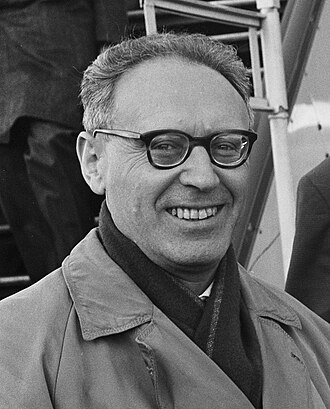 Winner: Mikhail Botvinnik
1–0
Both Rooks, on c7 and c6 1968Mikhail Botvinnik — Lajos Portisch Monte Carlo · English Opening, Four Knights (A29) A rook given on c7 and the second rook given on c6, both for one bishop, so that the third piece can take on f7. A Four Knights English · Three pieces to the c-file · Both rooks given · Four pieces, four checks26 moves · 9 notes Read annotation →
Winner: Mikhail Botvinnik
1–0
Both Rooks, on c7 and c6 1968Mikhail Botvinnik — Lajos Portisch Monte Carlo · English Opening, Four Knights (A29) A rook given on c7 and the second rook given on c6, both for one bishop, so that the third piece can take on f7. A Four Knights English · Three pieces to the c-file · Both rooks given · Four pieces, four checks26 moves · 9 notes Read annotation → -
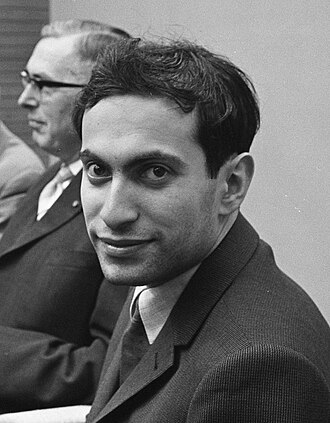 Winner: Mikhail Tal
1–0
Both Wings, at the World Championship 1960Mikhail Tal — Mikhail Botvinnik World Championship, Moscow · French Defence, Winawer (C18) Tal takes on g7 and h7 with his queen and never castles; Botvinnik takes a knight on f4 and a pawn on e5, and it is the h-pawn that finishes it. A Winawer, and the queen goes hunting · Neither king castles · The rook lifts to h3 · The h-pawn32 moves · 10 notes Read annotation →
Winner: Mikhail Tal
1–0
Both Wings, at the World Championship 1960Mikhail Tal — Mikhail Botvinnik World Championship, Moscow · French Defence, Winawer (C18) Tal takes on g7 and h7 with his queen and never castles; Botvinnik takes a knight on f4 and a pawn on e5, and it is the h-pawn that finishes it. A Winawer, and the queen goes hunting · Neither king castles · The rook lifts to h3 · The h-pawn32 moves · 10 notes Read annotation →
The immortals
The games that got a name of their own and kept it. There is no theme here beyond that, and the absence of one is the point: what these have in common is that a hundred years of players have agreed they are worth knowing.
-
Winner: Akiba Rubinstein
0–1
Rubinstein’s Immortal 1907Georg Rotlewi — Akiba Rubinstein Łódź · Semi-Tarrasch Defence (D40) Two rooks offered on squares a knight and a queen are standing on, and the last quiet move is the one that wins. A Semi-Tarrasch, both sides developing · Every piece pointed at one king · Two rooks offered · The rook on h325 moves · 12 notes Read annotation →
-
 Winner: Johannes Zukertort
1–0
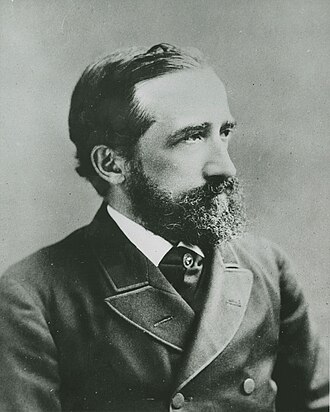
Every Piece at Once 1883Johannes Zukertort — Joseph Henry Blackburne London · English Opening (A13) A rook put on f8 where three pieces can take it, so that a bishop, a queen and a pawn can arrive in the four moves after. An English, both sides solid · The pawns roll: e4, e5, f4, f5 · A pawn to h7 · The rook on f833 moves · 9 notes Read annotation →
Winner: Johannes Zukertort
1–0
Every Piece at Once 1883Johannes Zukertort — Joseph Henry Blackburne London · English Opening (A13) A rook put on f8 where three pieces can take it, so that a bishop, a queen and a pawn can arrive in the four moves after. An English, both sides solid · The pawns roll: e4, e5, f4, f5 · A pawn to h7 · The rook on f833 moves · 9 notes Read annotation → -
Winner: Carlos Torre
1–0
The Windmill 1925Carlos Torre — Emanuel Lasker Moscow · Torre Attack (A46) A rook that takes on g7 and f7 and b7 and comes back to g7 five times, each time with check, and picks up a piece on every pass. The Torre Attack · The bishop to f6 · The windmill · A piece up, and converting43 moves · 12 notes Read annotation →
-
Winner: Alexander Alekhine
0–1
The Knight That Would Not Stop 1925Richard Réti — Alexander Alekhine Baden-Baden · Réti Opening (A00) One black knight makes nine moves in a row, six of them captures or checks, and the bishop that lands on d5 at the end ends it. A Réti, and the bishops off · Bishops shuffling on the h-file · A rook offered on e3 · Nine knight moves42 moves · 12 notes Read annotation →
-
Winner: Alexander Alekhine
1–0
No Move That Does Not Lose 1930Alexander Alekhine — Aaron Nimzowitsch San Remo · French Defence, Winawer (C17) Nobody is attacked and nothing is threatened: Black simply runs out of moves that do not give something away, and the last white move is a pawn to g3. A Winawer French · The knight to d6 and the bishop off · Every piece squeezed · Out of moves32 moves · 12 notes Read annotation →
-
Winner: Mikhail Botvinnik
1–0
Ba3, and Nothing Takes It 1938Mikhail Botvinnik — José Raúl Capablanca AVRO, Amsterdam · Nimzo-Indian Defence, Botvinnik System (E49) A bishop put on a3 where the queen must take it, so that a knight can check on h5 and a pawn can run to e7. A Nimzo-Indian, and doubled pawns · Both queens on the wings · The pawns to e6 and f5 · Ba3, and eight checks41 moves · 16 notes Read annotation →
-
 Winner: Miguel Najdorf
0–1
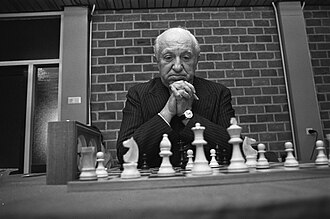
The Polish Immortal 1935Glucksberg — Miguel Najdorf Warsaw · Dutch Defence (A85) Najdorf gives away four pieces in eleven moves to drag a king to g4, and mates him with a pawn that has not moved yet. A Dutch, both sides castled · The first bishop, on h2 · Both knights · The king dragged to g422 moves · 13 notes Read annotation →
Winner: Miguel Najdorf
0–1
The Polish Immortal 1935Glucksberg — Miguel Najdorf Warsaw · Dutch Defence (A85) Najdorf gives away four pieces in eleven moves to drag a king to g4, and mates him with a pawn that has not moved yet. A Dutch, both sides castled · The first bishop, on h2 · Both knights · The king dragged to g422 moves · 13 notes Read annotation → -
 Final position
1–0
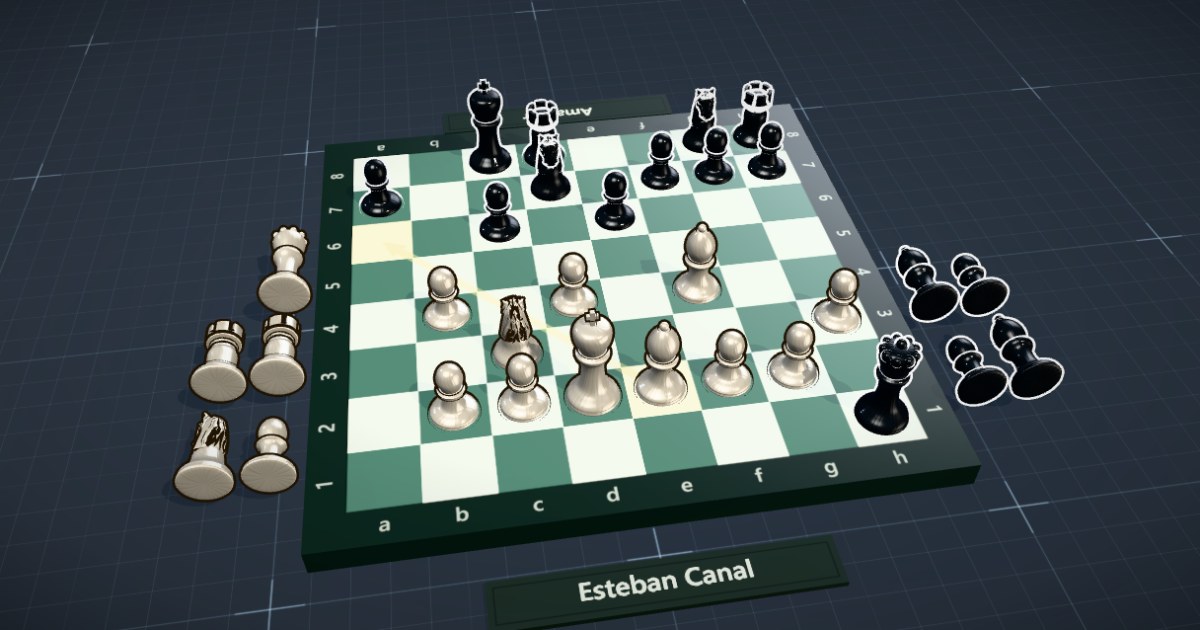
The Peruvian Immortal 1934Esteban Canal — Amateur Simultaneous exhibition, Budapest · Centre Counter Defence (B01) Both rooks and the queen given away in fourteen moves, in a simultaneous display, ending in Boden’s mate. A pawn snatched · Development, both sides · Black castles into it · Two rooks and a queen14 moves · 12 notes Read annotation →
Final position
1–0
The Peruvian Immortal 1934Esteban Canal — Amateur Simultaneous exhibition, Budapest · Centre Counter Defence (B01) Both rooks and the queen given away in fourteen moves, in a simultaneous display, ending in Boden’s mate. A pawn snatched · Development, both sides · Black castles into it · Two rooks and a queen14 moves · 12 notes Read annotation → -
Winner: Bobby Fischer
0–1
The Game of the Century 1956Donald Byrne — Bobby Fischer Rosenwald Memorial, New York · Grünfeld Defence (D97) Fischer, thirteen years old, gives up his queen on move seventeen and mates the white king on move forty-one. Grünfeld · The queen wanders · The queen, offered · Three pieces for a queen · Grinding it home · g1 to b141 moves · 20 notes Read annotation →
A world title, on the board
Eight games played for the championship of the world, where losing costs something — which is what makes them the hardest reading in this list. Nobody here is gambling. Every sacrifice was counted first.
-
 Winner: José Raúl Capablanca
1–0
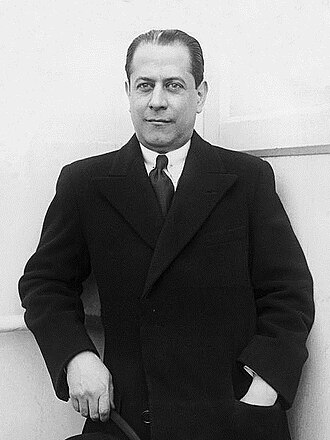
The Marshall Attack, Refuted at Sight 1918José Raúl Capablanca — Frank Marshall New York · Ruy Lopez, Marshall Attack (C89) Marshall had saved the line for eight years; Capablanca met it over the board and walked his king from f1 to c2 through the middle of it. A Ruy Lopez, and a pawn given · Everything at f2 and h2 · The king walks to c2 · A pawn to b736 moves · 11 notes Read annotation →
Winner: José Raúl Capablanca
1–0
The Marshall Attack, Refuted at Sight 1918José Raúl Capablanca — Frank Marshall New York · Ruy Lopez, Marshall Attack (C89) Marshall had saved the line for eight years; Capablanca met it over the board and walked his king from f1 to c2 through the middle of it. A Ruy Lopez, and a pawn given · Everything at f2 and h2 · The king walks to c2 · A pawn to b736 moves · 11 notes Read annotation → -
Winner: Alexander Alekhine
0–1
A World Championship, Mated 1929Efim Bogoljubow — Alexander Alekhine World Championship match · Indian Defence (A50) The only game in this library from a world championship match that was played out to mate on the board. An Indian, opened up · Two attacks on one wing · The centre closed · Down the h-file30 moves · 11 notes Read annotation →
-
 Winner: Boris Spassky
1–0
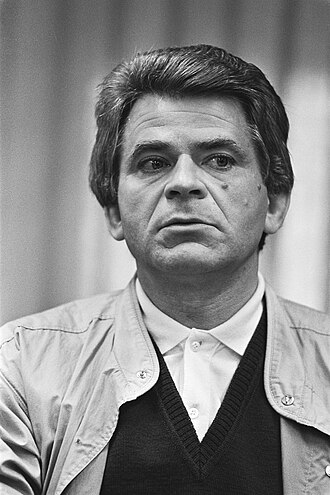
A Knight on d6 1960Boris Spassky — David Bronstein USSR Championship, Leningrad · King’s Gambit Accepted, Modern Defence (C36) A King’s Gambit at the Soviet championship, a black pawn that reaches e2 and promotes, and a knight put on d6 that decides it anyway. A King’s Gambit in 1960 · A black pawn on e3 · The knight to d6 · Both knights on e5 and f723 moves · 9 notes Read annotation →
Winner: Boris Spassky
1–0
A Knight on d6 1960Boris Spassky — David Bronstein USSR Championship, Leningrad · King’s Gambit Accepted, Modern Defence (C36) A King’s Gambit at the Soviet championship, a black pawn that reaches e2 and promotes, and a knight put on d6 that decides it anyway. A King’s Gambit in 1960 · A black pawn on e3 · The knight to d6 · Both knights on e5 and f723 moves · 9 notes Read annotation → -
Winner: Boris Spassky
1–0
The Game That Took the Title 1969Boris Spassky — Tigran Petrosian World Championship, Moscow · Queen’s Gambit, Semi-Tarrasch (D41) A pawn walked to d7 and left there while every piece is traded round it, and a knight to c6 at the end that Petrosian would not answer. A Semi-Tarrasch, and the bishops off · d5 and an isolated pawn · The pawn to d7 · Two knights on c630 moves · 7 notes Read annotation →
-
Winner: Bobby Fischer
1–0
The Game Spassky Applauded 1972Bobby Fischer — Boris Spassky World Championship, Reykjavík · Queen’s Gambit Declined, Tartakower (D59) Fischer opens 1.c4 for the first time in his life, and forty-one moves later the man he is playing for the title joins the audience in applauding. Fischer plays 1.c4 · A pawn fixed on e6 · The rooks shuffle · A rook for the knight41 moves · 9 notes Read annotation →
-
 Winner: Garry Kasparov
0–1
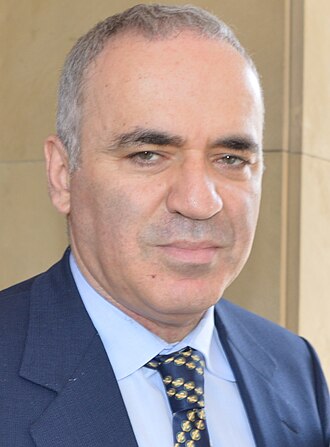
The Knight on d3 1985Anatoly Karpov — Garry Kasparov World Championship, Moscow · Sicilian Defence, Taimanov (B44) A black knight put on d3 on move sixteen and left there for twenty-four moves, in the middle of White’s position, never taken and never moved. A Taimanov Sicilian · The knight to d3 · Twenty-four moves of nothing moving · Qxd3, and Nf2+40 moves · 10 notes Read annotation →
Winner: Garry Kasparov
0–1
The Knight on d3 1985Anatoly Karpov — Garry Kasparov World Championship, Moscow · Sicilian Defence, Taimanov (B44) A black knight put on d3 on move sixteen and left there for twenty-four moves, in the middle of White’s position, never taken and never moved. A Taimanov Sicilian · The knight to d3 · Twenty-four moves of nothing moving · Qxd3, and Nf2+40 moves · 10 notes Read annotation → -
Winner: Garry Kasparov
1–0
Kasparov’s Immortal 1999Garry Kasparov — Veselin Topalov Hoogovens, Wijk aan Zee · Pirc Defence (B07) A rook given on d4 to drag a king from b8 to a4 across an open board, and every check on the way is forced. A Pirc, castled apart · Both kings on the queenside · The rook on d4 · The king walks to a3 · Queen against rook44 moves · 18 notes Read annotation →
-
 Winner: Magnus Carlsen
1–0
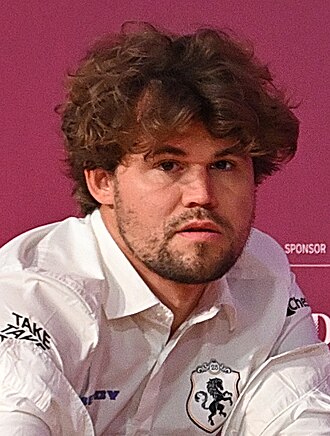
The Queen Given to Win a Title 2016Magnus Carlsen — Sergey Karjakin World Championship tiebreak, New York · Sicilian Defence, Modern Scheveningen (B54) The last game of a world championship: a queen put on h6 where a pawn can take her, and taking her is mate. A rapid Sicilian, with the title at stake · Both sides on the a-file · Every piece traded but four · The queen to h650 moves · 6 notes Read annotation →
Winner: Magnus Carlsen
1–0
The Queen Given to Win a Title 2016Magnus Carlsen — Sergey Karjakin World Championship tiebreak, New York · Sicilian Defence, Modern Scheveningen (B54) The last game of a world championship: a queen put on h6 where a pawn can take her, and taking her is mate. A rapid Sicilian, with the title at stake · Both sides on the a-file · Every piece traded but four · The queen to h650 moves · 6 notes Read annotation →
Every game, by opening
All 135 of them, the chaptered ones included, grouped so the games arguing about the same idea are next to each other.
King’s Gambit Accepted 10 games
-
Winner: Louis-Charles de La Bourdonnais
0–1
The Knight That Went for the Rook 1836Jouy — Louis-Charles de La Bourdonnais Casual game, Paris · King’s Gambit Accepted, Salvio Gambit (C37) White sends one knight after the rook in the corner, and is mated on g1 by the pieces that stayed. The Salvio Gambit · A knight sent to the corner · The pawns arrive first · Mated on g117 moves · 16 notes Read annotation →
-
Winner: Daniel Harrwitz
1–0
Anderssen, on the Other End 1848Daniel Harrwitz — Adolf Anderssen Match, Breslau · King’s Gambit Accepted, Bishop’s Gambit (C33) The same opening as the Immortal Game, three years earlier, and this time it is Anderssen’s king that gets walked into the middle of the board. The Bishop’s Gambit · The queen sent home · Both centres broken open · Mated in the middle17 moves · 19 notes Read annotation →
-
Winner: Adolf Anderssen
1–0
The Immortal Game 1851Adolf Anderssen — Lionel Kieseritzky Casual game, London · King’s Gambit Accepted, Bishop’s Gambit (C33) White gives up a bishop, both rooks and the queen, and mates with what is left. King’s Gambit · The queen hunt · Rook offered · Both rooks · Mated by three pieces23 moves · 30 notes Read annotation →
-
Paul Morphy
0–1
Morphy, Mated in Twelve 1855Paul Morphy — Charles Maurian Casual game, Alabama · King’s Gambit Accepted, Bishop’s Gambit (C33) Morphy takes a bishop on a6 with his queen and is mated on f2 the move after, by his oldest friend. The Bishop’s Gambit · A bishop, offered twice · The pawn nobody looked at · Mate on f212 moves · 11 notes Read annotation →
-
Winner: Paul Morphy
1–0
The Two Best Players Alive 1858Paul Morphy — Adolf Anderssen Match, Paris · King’s Gambit Accepted, Hanstein Gambit (C38) Morphy plays Anderssen’s own opening against him, gives a knight on g5 and a bishop on f7, and the king never gets to castle. A King’s Gambit, against Anderssen · A knight and a bishop given · The bishop collects · The rook to f719 moves · 9 notes Read annotation →
-
Winner: Louis Paulsen
0–1
The King Walked to h5 1862George Mackenzie — Louis Paulsen Match, London · King’s Gambit Accepted, Kieseritzky Gambit (C39) White’s king leaves f1 on move seven and is mated on h4 — and the pawn covering g3 at the end is the gambit pawn from move two. The Kieseritzky Gambit · The king leaves f1 · A rook given on h4 · Mated on h420 moves · 10 notes Read annotation →
-
Winner: Adolf Anderssen
0–1
Anderssen Without a Rook 1863Jacob Rosanes — Adolf Anderssen Match, Breslau · King’s Gambit Accepted, Kieseritzky (C39) Anderssen loses a rook on move thirteen, plays on as if he had not, and gives up his queen as well to mate on e1. The Kieseritzky Gambit · A rook given up · Everything at the corner · The queen as well23 moves · 15 notes Read annotation →
-
Final position
1–0
The King That Ate Four Men 1951Anatoly Lutikov — Viktor Korchnoi Chigorin Memorial, Leningrad · King’s Gambit Accepted, Cunningham Defence (C35) Korchnoi’s king takes a bishop, a knight, a pawn and a knight on its way from e8 to h6, and is mated there. The Cunningham Defence · The king takes four men · Driven to h6 · Both rooks on the f-file24 moves · 13 notes Read annotation →
-
Winner: Boris Spassky
1–0
A Knight on d6 1960Boris Spassky — David Bronstein USSR Championship, Leningrad · King’s Gambit Accepted, Modern Defence (C36) A King’s Gambit at the Soviet championship, a black pawn that reaches e2 and promotes, and a knight put on d6 that decides it anyway. A King’s Gambit in 1960 · A black pawn on e3 · The knight to d6 · Both knights on e5 and f723 moves · 9 notes Read annotation →
-
Winner: Bobby Fischer
1–0
Fischer Against a Program 1977Bobby Fischer — Greenblatt program Cambridge, Massachusetts · King’s Gambit Accepted, Bishop’s Gambit (C33) Fischer plays the King’s Gambit against the strongest chess program in the world, and mates it in twenty-one moves. A King’s Gambit, in 1977 · A knight for the g-file · The knight on f6 · The rook swings to g321 moves · 10 notes Read annotation →
Ruy Lopez 10 games
-
Winner: Paul Morphy
0–1
One Square Too Slow 1858Thomas Barnes — Paul Morphy Match, London · Ruy Lopez, Morphy Defence (C77) Two bishops and a rook mate a king in the open on h4, with a white pawn standing on a7 one square from a queen. A Ruy Lopez, and a rook given · A pawn to b2, and a queen on a1 · The race up the a-file · Mated on h430 moves · 13 notes Read annotation →
-
Winner: Adolf Anderssen
0–1
The Pawn Wedge on e3 1862Carl Mayet — Adolf Anderssen Berlin · Ruy Lopez, Berlin Defence (C65) A pawn parked on e3 for eight moves, a queen given away on g2, and mate by a rook on the square a rook was just taken. The Berlin, 1862 style · A pawn for the centre · The wedge on e3 · The queen for the corner22 moves · 13 notes Read annotation →
-
Winner: Johannes Zukertort
1–0
The Queen on g5 1865Johannes Zukertort — Adolf Anderssen Match, Breslau · Ruy Lopez (C60) Twelve moves, a knight given on f7 and a queen given on g5, and Anderssen is mated by a bishop that has never moved. A quiet Lopez · The knight on f7 · The queen on g512 moves · 10 notes Read annotation →
-
Winner: Henry Bird
1–0
The Rook Nobody Should Have Taken 1866Henry Bird — Wilhelm Steinitz Match, London · Ruy Lopez, Berlin Defence (C65) Steinitz takes a rook in the corner with a knight and never gets it out again; the mate is by a pawn on f7. The Berlin · A rook for a knight’s freedom · Two pawns up the board · Mate on f719 moves · 10 notes Read annotation →
-
Winner: José Raúl Capablanca
1–0
The Marshall Attack, Refuted at Sight 1918José Raúl Capablanca — Frank Marshall New York · Ruy Lopez, Marshall Attack (C89) Marshall had saved the line for eight years; Capablanca met it over the board and walked his king from f1 to c2 through the middle of it. A Ruy Lopez, and a pawn given · Everything at f2 and h2 · The king walks to c2 · A pawn to b736 moves · 11 notes Read annotation →
-
Winner: Paul Keres
0–1
Thomas, Mated Again 1937George Alan Thomas — Paul Keres Margate · Ruy Lopez, Morphy Defence (C77) The man who was walked to the middle of the board in 1912 is mated in the corner twenty-five years later, by Keres at twenty-one. A Ruy Lopez, and knights everywhere · Black castles long · The knight to h3 · Mated on h125 moves · 9 notes Read annotation →
-
Winner: Mikhail Tal
1–0
A Pawn to e2, and Two Rooks 1965Mikhail Tal — Bent Larsen Candidates semi-final, Bled · Ruy Lopez, Berlin Defence (C66) A black pawn walks to e2 and stands one square from a queen for eleven moves, and Tal ignores it and takes the queenside instead. A Berlin Defence · Both bishops off the long diagonal · A pawn to e2 · Ignored, and taken37 moves · 7 notes Read annotation →
-
 Winner: Vitaly Tseshkovsky
0–1
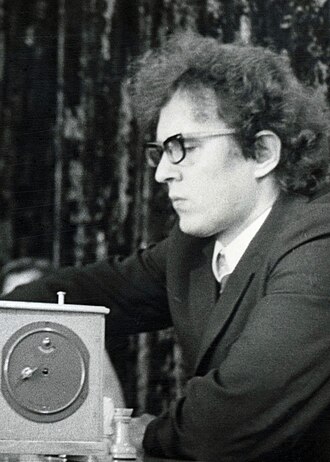
Tal, on the Other End 1970Mikhail Tal — Vitaly Tseshkovsky Sochi · Ruy Lopez, Closed (C90) The most famous attacking player of the century is mated on his own back rank, by a knight on c2. A Closed Ruy Lopez · The centre breaks · Everything traded · Mated on the back rank29 moves · 10 notes Read annotation →
Winner: Vitaly Tseshkovsky
0–1
Tal, on the Other End 1970Mikhail Tal — Vitaly Tseshkovsky Sochi · Ruy Lopez, Closed (C90) The most famous attacking player of the century is mated on his own back rank, by a knight on c2. A Closed Ruy Lopez · The centre breaks · Everything traded · Mated on the back rank29 moves · 10 notes Read annotation → -
Winner: Bobby Fischer
1–0
Thirteen King Moves 1970Bobby Fischer — Milan Matulović Blitz tournament, Herceg Novi · Ruy Lopez, Schliemann Defence (C63) The blitz tournament Fischer won by four and a half points: the black king makes thirteen moves and is mated on g3. The Schliemann · A queen loose on h3 · Both rooks on the seventh · The king walks to g333 moves · 12 notes Read annotation →
-
Winner: Garry Kasparov
1–0
Castling Into It 1991Garry Kasparov — D. Cid Simultaneous display, Galicia · Ruy Lopez, Steinitz Defence (C62) Thirteen moves: Black castles long into a bishop and a queen already aimed at the square, and the king never gets off a8. A Steinitz Defence · The queen to a4 · Mated on a813 moves · 9 notes Read annotation →
Sicilian Defence 9 games
-
Winner: Adolf Anderssen
0–1
The Other London Game 1851Lionel Kieseritzky — Adolf Anderssen London · Sicilian Defence, Closed (B20) The same two men as the Immortal Game, the same city and the same year, with the colours the other way round. A quiet Sicilian · The centre traded · White goes at the king · And it comes back20 moves · 15 notes Read annotation →
-
Winner: Siegbert Tarrasch
0–1
A Rook for the Back Rank 1902Arturo Reggio — Siegbert Tarrasch Monte Carlo · Sicilian Defence, Four Knights (B45) White wins a rook in the corner on move nine and never touches the knight again; Tarrasch mates him on c3 with everything else. A Sicilian, four knights · The fork on c7 · Everything at e115 moves · 10 notes Read annotation →
-
Winner: Frank Marshall
0–1
The Queen on g3 1912Stepan Levitsky — Frank Marshall DSB Congress, Breslau · Sicilian Defence, French Variation (B40) A queen put on g3 where three different men can take her, and every one of the three loses. A French Sicilian · Both bishops off · A knight to d4, a rook to h323 moves · 8 notes Read annotation →
-
Winner: Mikhail Tal
1–0
The Bishop Went to h8 1979Mikhail Tal — Yrjö Rantanen Tallinn · Sicilian Defence, Rossolimo Attack (B30) Tal puts a bishop in the corner on h8, where it does exactly one thing: it defends the square his queen gives mate on. A Rossolimo Sicilian · The king walks to h8 · A knight given on f6 · Bh8, and mate30 moves · 10 notes Read annotation →
-
Winner: Garry Kasparov
0–1
The Knight on d3 1985Anatoly Karpov — Garry Kasparov World Championship, Moscow · Sicilian Defence, Taimanov (B44) A black knight put on d3 on move sixteen and left there for twenty-four moves, in the middle of White’s position, never taken and never moved. A Taimanov Sicilian · The knight to d3 · Twenty-four moves of nothing moving · Qxd3, and Nf2+40 moves · 10 notes Read annotation →
-
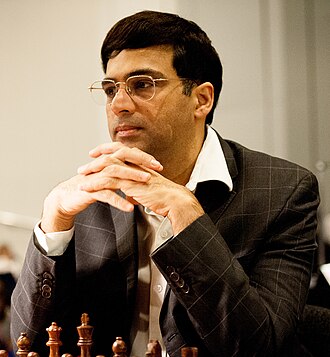 Winner: Viswanathan Anand
1–0
Seven Moves, Nothing Taken 1993Viswanathan Anand — Amateur Simultaneous display, Bad Mergentheim · Sicilian Defence, Closed (B23) Seven moves, and not one capture: every piece is still on the board and the king is smothered by his own men. A Closed Sicilian · Both knights at d57 moves · 8 notes Read annotation →
Winner: Viswanathan Anand
1–0
Seven Moves, Nothing Taken 1993Viswanathan Anand — Amateur Simultaneous display, Bad Mergentheim · Sicilian Defence, Closed (B23) Seven moves, and not one capture: every piece is still on the board and the king is smothered by his own men. A Closed Sicilian · Both knights at d57 moves · 8 notes Read annotation → -
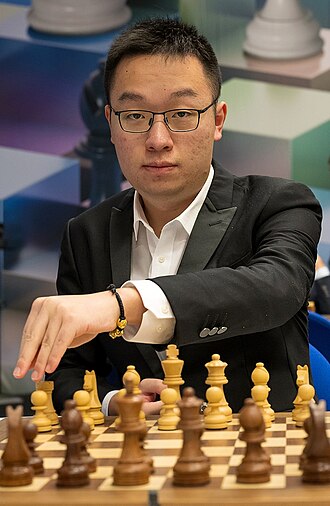 Winner: Wei Yi
1–0
The King Taken to h3 2015Wei Yi — Lázaro Bruzón Hainan Danzhou · Sicilian Defence, French Variation (B40) A rook on f7, a pawn on d5 and two bishops given away, and a black king walks from g8 to h3 through the middle of White’s position. A French Sicilian · f5 and the queen to h3 · A rook on f7, and the king comes out · From e4 to h336 moves · 10 notes Read annotation →
Winner: Wei Yi
1–0
The King Taken to h3 2015Wei Yi — Lázaro Bruzón Hainan Danzhou · Sicilian Defence, French Variation (B40) A rook on f7, a pawn on d5 and two bishops given away, and a black king walks from g8 to h3 through the middle of White’s position. A French Sicilian · f5 and the queen to h3 · A rook on f7, and the king comes out · From e4 to h336 moves · 10 notes Read annotation → -
Winner: Magnus Carlsen
1–0
The Queen Given to Win a Title 2016Magnus Carlsen — Sergey Karjakin World Championship tiebreak, New York · Sicilian Defence, Modern Scheveningen (B54) The last game of a world championship: a queen put on h6 where a pawn can take her, and taking her is mate. A rapid Sicilian, with the title at stake · Both sides on the a-file · Every piece traded but four · The queen to h650 moves · 6 notes Read annotation →
-
Winner: Magnus Carlsen
1–0
One Minute Each 2021Magnus Carlsen — Alireza Firouzja Bullet match, lichess · Sicilian Defence, Grand Prix Attack (B23) One minute each on the clock: a knight lands on h7, and four of the five squares round the king are Black’s own men. A Grand Prix Attack · The queen to h4 · Mated on f819 moves · 11 notes Read annotation →
Italian Game 7 games
-
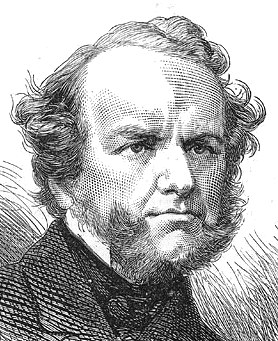 Winner: Howard Staunton
1–0
Both Rooks Aimed the Wrong Way 1851Howard Staunton — Adolf Anderssen Casual game, London · Italian Game, Giuoco Piano (C54) Anderssen has both rooks and his queen on the g-file, and he is mated on f7 by his own pieces standing in the way. Giuoco Piano · A pawn taken on c6 · Everything to the g-file · Mated on f730 moves · 10 notes Read annotation →
Winner: Howard Staunton
1–0
Both Rooks Aimed the Wrong Way 1851Howard Staunton — Adolf Anderssen Casual game, London · Italian Game, Giuoco Piano (C54) Anderssen has both rooks and his queen on the g-file, and he is mated on f7 by his own pieces standing in the way. Giuoco Piano · A pawn taken on c6 · Everything to the g-file · Mated on f730 moves · 10 notes Read annotation → -
Winner: Adolf Anderssen
0–1
The Shilling Trap 1859Max Lange — Adolf Anderssen Casual game, Breslau · Italian Game, Blackburne Shilling Gambit (C50) Black hands over a pawn on move three, and on move seven the white king is mated on the square he started on, walled in by his own five pieces. Italian Game · The pawn taken · Mated at home7 moves · 10 notes Read annotation →
-
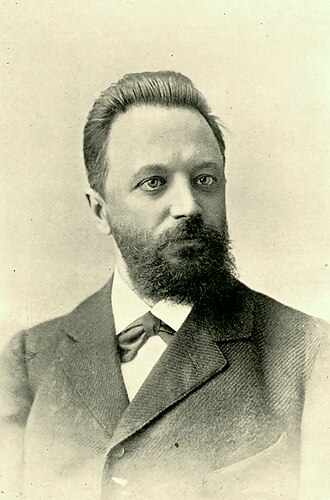 Mikhail Chigorin
0–1
The Knight on a8 1881Mikhail Chigorin — Simon Alapin Match, St Petersburg · Italian Game, Two Knights (C55) Chigorin sends a knight to a8 for a rook, and is mated on h1 with his own queen filling the last square. Two Knights, and a pawn in the middle · The knight goes for the rook · The bishop takes h2 · Mated on f118 moves · 10 notes Read annotation →
Mikhail Chigorin
0–1
The Knight on a8 1881Mikhail Chigorin — Simon Alapin Match, St Petersburg · Italian Game, Two Knights (C55) Chigorin sends a knight to a8 for a rook, and is mated on h1 with his own queen filling the last square. Two Knights, and a pawn in the middle · The knight goes for the rook · The bishop takes h2 · Mated on f118 moves · 10 notes Read annotation → -
Winner: Siegbert Tarrasch
1–0
A Rook Left on f1 1892Siegbert Tarrasch — Jean Taubenhaus Match, Nuremberg · Italian Game, Giuoco Piano (C54) Tarrasch lets a rook be taken on f1 to win a knight on h5, and eleven moves later a bishop takes on f6 with the queen holding g8. A quiet Giuoco Piano · The bishop takes h3 · The rook left to go · Mated on h823 moves · 10 notes Read annotation →
-
Winner: Wilhelm Steinitz
1–0
The Man Who Walked Out 1895Wilhelm Steinitz — Curt von Bardeleben Hastings · Italian Game, Classical Variation (C54) Steinitz leaves a rook to be taken on four consecutive moves, and plays the mate out to an empty chair after his opponent leaves the building. Italian Game · Pieces off, king in the middle · The knight to e6 · A rook on the seventh, four times · The finish, played to an empty chair35 moves · 25 notes Read annotation →
-
Winner: Alexander Alekhine
0–1
Both Rooks, and a Bishop on h4 1913Rodzinski — Alexander Alekhine Casual game, Paris · Italian Game (C50) Alekhine lets both rooks be taken, gives up a knight as well, and mates with a bishop that has just come out. An Italian Game · Everything traded on f7 · The rooks collected · The queen on d315 moves · 10 notes Read annotation →
-
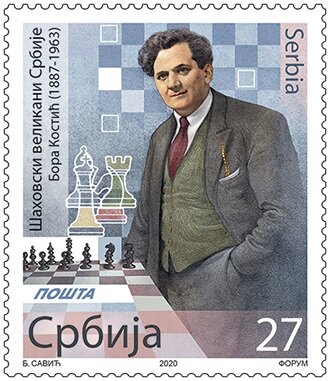 Winner: Boris Kostić
1–0
Keres, at Twenty-One 1937Boris Kostić — Paul Keres Olympiad, Stockholm · Italian Game, Two Knights (C55) Twelve moves against one of the strongest players of the century, and the mate is a queen on g5 with two bishops holding the net. The Scotch Gambit · The knight on f7 · Mated on f612 moves · 8 notes Read annotation →
Winner: Boris Kostić
1–0
Keres, at Twenty-One 1937Boris Kostić — Paul Keres Olympiad, Stockholm · Italian Game, Two Knights (C55) Twelve moves against one of the strongest players of the century, and the mate is a queen on g5 with two bishops holding the net. The Scotch Gambit · The knight on f7 · Mated on f612 moves · 8 notes Read annotation →
Evans Gambit 6 games
-
Winner: Paul Morphy
1–0
Twelve Years Old, Against His Father 1849Paul Morphy — Alonzo Morphy Match, New Orleans · Evans Gambit (C51) Morphy at twelve, playing the man who taught him, and the bishop he put on a3 is what holds the mating square. The Evans Gambit · The bishop to a3 · Everything for the open files · Mated on g821 moves · 11 notes Read annotation →
-
Winner: Adolf Anderssen
1–0
Dufresne, Mated in the Middle 1851Adolf Anderssen — Jean Dufresne Match, Berlin · Evans Gambit, Anderssen Defence (C52) The same two players and the same gambit as the Evergreen Game, a year earlier, and this time the king is mated on c6. The Evans Gambit · A knight to e6, and it stays · Both rooks to the e-file · Mated on c631 moves · 12 notes Read annotation →
-
Winner: Adolf Anderssen
1–0
The Evergreen Game 1852Adolf Anderssen — Jean Dufresne Casual game, Berlin · Evans Gambit (C52) A rook, a queen and a knight given away in four moves, and two bishops walk the king to mate. Evans Gambit · A pawn on d3, ignored · The queen wanders · Rook, queen, knight · Two bishops finish it24 moves · 21 notes Read annotation →
-
Winner: Paul Morphy
1–0
The Pawn That Became the Mate 1857Paul Morphy — Alexander Meek Casual game, New Orleans · Evans Gambit (C52) Morphy offers his queen on d8 so that a pawn can take her place there — and the promotion is checkmate. The Evans Gambit · A pawn arrives on c6 · Every rook traded on d6 · A pawn promotes to mate33 moves · 9 notes Read annotation →
-
Winner: Adolf Anderssen
1–0
A Queen and Two Rooks for g7 1859Adolf Anderssen — Berthold Suhle Match, Breslau · Evans Gambit (C51) Anderssen gives away his queen on g7, then a rook on the same square, then the second rook, and mates with the third piece to arrive. The Evans Gambit · The centre, and a knight to the rim · Both files opened on g · Everything for g723 moves · 15 notes Read annotation →
-
Winner: Wilhelm Steinitz
1–0
Mated by the a-Pawn 1863Wilhelm Steinitz — Rock London · Evans Gambit (C52) Six checks walk a king from e8 to a4, where a pawn takes a knight and gives double check with the rook behind it. The Evans Gambit · A queen left hanging · The king walks · Double check by a pawn18 moves · 9 notes Read annotation →
French Defence 6 games
-
Winner: Aaron Nimzowitsch
1–0
A Queen Given on d8 1914Aaron Nimzowitsch — Simon Alapin St Petersburg · French Defence, Rubinstein Variation (C11) Black takes a pawn on g2 with the queen and spends the rest of the game paying for it; the mate is a rook on e8. A French, exchanged · The pawn on g2 · Castling into the file · Two pieces offered18 moves · 11 notes Read annotation →
-
Winner: Alexander Alekhine
1–0
The Queen on e6 1916Alexander Alekhine — Feldt Simultaneous display · French Defence (C11) A knight given on f7 and a queen offered on e6, where three different black men could take her and none of them may. A French, exchanged · Two knights at the king · The knight on f7 · Mated on g618 moves · 11 notes Read annotation →
-
Winner: Alexander Alekhine
1–0
No Move That Does Not Lose 1930Alexander Alekhine — Aaron Nimzowitsch San Remo · French Defence, Winawer (C17) Nobody is attacked and nothing is threatened: Black simply runs out of moves that do not give something away, and the last white move is a pawn to g3. A Winawer French · The knight to d6 and the bishop off · Every piece squeezed · Out of moves32 moves · 12 notes Read annotation →
-
Winner: Alexander Alekhine
1–0
Alekhine’s Eleven Moves 1931Alexander Alekhine — Vasić Simultaneous exhibition, Banja Luka · French Defence, Winawer Variation (C15) The world champion gives away his queen on move ten so that a bishop can reach g6, and mates with two bishops on move eleven. The Winawer · Traded on c3 · The centre clears · A queen for one square11 moves · 15 notes Read annotation →
-
Winner: Mikhail Tal
1–0
Both Wings, at the World Championship 1960Mikhail Tal — Mikhail Botvinnik World Championship, Moscow · French Defence, Winawer (C18) Tal takes on g7 and h7 with his queen and never castles; Botvinnik takes a knight on f4 and a pawn on e5, and it is the h-pawn that finishes it. A Winawer, and the queen goes hunting · Neither king castles · The rook lifts to h3 · The h-pawn32 moves · 10 notes Read annotation →
-
Winner: Bobby Fischer
1–0
Both Wings at Once 1967Bobby Fischer — Lhamsuren Myagmarsuren Interzonal, Sousse · French Defence, King’s Indian Attack (C00) Both players attack on opposite sides of the board, and White arrives one move first — with a black pawn sitting on c2, one square from a new queen. King’s Indian Attack · e5 closes the centre · Two attacks, opposite wings · The queen comes over · h5, and a pawn on c2 · The queen given away33 moves · 26 notes Read annotation →
Queen’s Gambit Declined 6 games
-
Winner: Joseph Henry Blackburne
1–0
The Black Death, and a King on f4 1889Joseph Henry Blackburne — Jackson Showalter Sixth American Chess Congress, New York · Queen’s Gambit Declined (D50) Six checks in a row walk the black king from f8 to f4, and a knight steps to h3 with nothing left to answer it. A Queen’s Gambit, and a pawn on d4 · The knight to d5 · A rook given on e6 · The king walks to f421 moves · 11 notes Read annotation →
-
Winner: Emanuel Lasker
0–1
The Exchange for the King 1895Harry Nelson Pillsbury — Emanuel Lasker St Petersburg · Queen’s Gambit Declined (D50) Lasker gives up a rook for a knight on c3 to open one file, and walks the white king from b1 to a5. Queen’s Gambit Declined · Both kings committed · The exchange, on c3 · The king walked to a532 moves · 14 notes Read annotation →
-
Winner: Siegbert Tarrasch
0–1
Both Bishops, on h2 and g2 1914Aaron Nimzowitsch — Siegbert Tarrasch St Petersburg · Queen’s Gambit Declined, Tarrasch (D30) Tarrasch takes both pawns in front of the castled king with both bishops, one move apart, and walks the king from g1 to d7. Queen’s Gambit Declined · The centre cleared · Both bishops · The king walked to d732 moves · 12 notes Read annotation →
-
Winner: Richard Réti
1–0
The Bishop That Walked to g6 1922Richard Réti — Frederick Yates London · Queen’s Gambit Declined, Orthodox (D63) Réti is a piece down with two black rooks bearing down on him, and mates with a queen and a bishop and nothing else. Queen’s Gambit Declined · The centre traded off · A knight for the h-file · The bishop takes f730 moves · 9 notes Read annotation →
-
Winner: Mikhail Botvinnik
1–0
Botvinnik at Fifteen 1926Mikhail Botvinnik — Mikhail Mukhin Leningrad championship semi-final · Queen’s Gambit Declined (D30) The future world champion at fifteen: the black king is driven off f8 on move eleven and mated on d7 eighteen moves later. A quiet Queen’s Gambit · The king loses castling · Both queens on the g-file · The king walked to d729 moves · 12 notes Read annotation →
-
Winner: Bobby Fischer
1–0
The Game Spassky Applauded 1972Bobby Fischer — Boris Spassky World Championship, Reykjavík · Queen’s Gambit Declined, Tartakower (D59) Fischer opens 1.c4 for the first time in his life, and forty-one moves later the man he is playing for the title joins the audience in applauding. Fischer plays 1.c4 · A pawn fixed on e6 · The rooks shuffle · A rook for the knight41 moves · 9 notes Read annotation →
Caro-Kann Defence 5 games
-
Winner: Richard Réti
1–0
Réti’s Miniature 1910Richard Réti — Savielly Tartakower Vienna · Caro-Kann Defence (B15) Eleven moves, a queen offered on a square where taking her is the only legal move, and mate by a bishop. Caro-Kann · A pawn, and a check · Castling, then the queen · Mate on the square she died on11 moves · 12 notes Read annotation →
-
Winner: Rudolf Spielmann
1–0
A King Walked to c5 1928Rudolf Spielmann — Max Walter Trenčianske Teplice · Caro-Kann Defence (B10) A pawn thrown onto e6 on move eight, and a black king walked from e8 to c5 by force, with the queen given away on the way. A Caro-Kann, opened · The pawn on e6 · The knight to f7 · The king walked to c520 moves · 11 notes Read annotation →
-
Winner: Paul Keres
1–0
The Six-Move Mate 1950Paul Keres — Edward Arłamowski Szczawno-Zdrój, Poland · Caro-Kann Defence, Two Knights Attack (B11) Six moves, two pawns taken, and a knight mates a king walled in on every side by his own pieces. Caro-Kann · The knight on e4 · Smothered on d66 moves · 8 notes Read annotation →
-
Winner: Magnus Carlsen
1–0
Carlsen at Thirteen 2004Magnus Carlsen — Sipke Ernst Wijk aan Zee · Caro-Kann Defence, Classical (B19) A knight, a bishop and a rook all given away in five moves by a thirteen-year-old, and every one of them forced. A Classical Caro-Kann · Castling on opposite wings · Three pieces in five moves · The king pushed to f729 moves · 12 notes Read annotation →
-
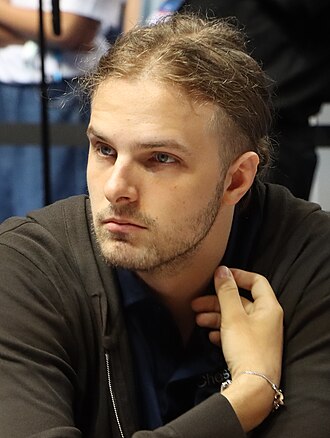 Winner: Richárd Rapport
1–0
Five Moves, in a Tournament 2014Richárd Rapport — Tim Rogers Politiken Cup, Helsingør · Caro-Kann Defence (B10) Nine half-moves at an open tournament: every square around the king is one of Black’s own men, and the pawn that could take the knight is pinned. A Caro-Kann, and Qe2 · Mated on the fifth move5 moves · 5 notes Read annotation →
Winner: Richárd Rapport
1–0
Five Moves, in a Tournament 2014Richárd Rapport — Tim Rogers Politiken Cup, Helsingør · Caro-Kann Defence (B10) Nine half-moves at an open tournament: every square around the king is one of Black’s own men, and the pawn that could take the knight is pinned. A Caro-Kann, and Qe2 · Mated on the fifth move5 moves · 5 notes Read annotation →
Philidor Defence 5 games
-
Final position
1–0
Légal’s Mate 1750Kermur de Légal — Saint Brie Café de la Régence, Paris · Philidor Defence (C41) The oldest trap in the book, played by the man it is named after: the queen is left to be taken. Café de la Régence, 1750 · The queen is left there · Légal’s mate7 moves · 9 notes Read annotation →
-
Final position
0–1
Boden’s Mate 1853R. Schulder — Samuel Boden London · Philidor Defence (C41) The queen given away to open one diagonal, and two bishops crossing on the king — the mate that took his name. A wild opening · Pawns everywhere · Both kings castle long · Boden’s mate15 moves · 11 notes Read annotation →
-
Winner: Paul Morphy
1–0
The Opera Game 1858Paul Morphy — Duke of Brunswick & Count Isouard Italian Opera House, Paris · Philidor Defence (C41) Every white piece comes out, none of them twice, and the last two are given away to buy one square. Philidor’s Defence · Both bishops on f7 · Every piece in the game · One more attacker · A queen for a square17 moves · 27 notes Read annotation →
-
Winner: Paul Morphy
0–1
A Rook Given on f2 1858Henry Bird — Paul Morphy Match, London · Philidor Defence (C41) Morphy gives a rook on f2 for nothing visible, and the queen that comes after it never stops checking until Bird stops the game. A Philidor, and a pawn thrown forward · The queen to h3 · A rook given on f2 · Checks to the end29 moves · 10 notes Read annotation →
-
Carlos Torre
1–0
The Queen Offered Five Times 1920Edwin Adams — Carlos Torre New Orleans · Philidor Defence (C41) A white queen put on five different squares where Black can take her, and every time she cannot be touched — because of one rook on the back rank. A Philidor, and the bishops come off · Both rooks to the e-file · The queen offered · And offered again23 moves · 12 notes Read annotation →
Dutch Defence 4 games
-
Winner: Akiba Rubinstein
1–0
A Pawn Promotes With Mate 1908Akiba Rubinstein — Frank Marshall Match, Warsaw · Dutch Defence (A84) Black takes White’s queen on d1 and it does not matter: a pawn arrives on f8, promotes, and mates on the same move. The Dutch, and a bishop traded · Both bishops on the long diagonals · The queenside opened · The pawn walks to f825 moves · 9 notes Read annotation →
-
Winner: Edward Lasker
1–0
The King Hunt 1912Edward Lasker — George Thomas City of London Chess Club · Dutch Defence (A40) A queen sacrifice on h7 and the black king is marched from h8 to g1, where he is mated on White’s home square. A quiet Dutch · Both queens come out · The queen on h7 · h8 to g118 moves · 11 notes Read annotation →
-
Winner: Miguel Najdorf
0–1
The Polish Immortal 1935Glucksberg — Miguel Najdorf Warsaw · Dutch Defence (A85) Najdorf gives away four pieces in eleven moves to drag a king to g4, and mates him with a pawn that has not moved yet. A Dutch, both sides castled · The first bishop, on h2 · Both knights · The king dragged to g422 moves · 13 notes Read annotation →
-
 Winner: Anatoly Karpov
1–0
A Pawn Left on h6 1998Anatoly Karpov — Veselin Topalov Blitz, Wijk aan Zee · Dutch Defence (A80) A knight given on g5, a pawn pushed to h6 and left there, and mate by a bishop landing on h7. The Dutch · Castling long · The pawns collide · The pawn on h620 moves · 9 notes Read annotation →
Winner: Anatoly Karpov
1–0
A Pawn Left on h6 1998Anatoly Karpov — Veselin Topalov Blitz, Wijk aan Zee · Dutch Defence (A80) A knight given on g5, a pawn pushed to h6 and left there, and mate by a bishop landing on h7. The Dutch · Castling long · The pawns collide · The pawn on h620 moves · 9 notes Read annotation →
English Opening 4 games
-
Winner: Johannes Zukertort
1–0
Every Piece at Once 1883Johannes Zukertort — Joseph Henry Blackburne London · English Opening (A13) A rook put on f8 where three pieces can take it, so that a bishop, a queen and a pawn can arrive in the four moves after. An English, both sides solid · The pawns roll: e4, e5, f4, f5 · A pawn to h7 · The rook on f833 moves · 9 notes Read annotation →
-
Winner: Aaron Nimzowitsch
1–0
Two Rooks Behind a Pawn 1930Aaron Nimzowitsch — Massimiliano Romi San Remo · English Opening (A21) Nimzowitsch doubles rooks on a file blocked by one black pawn, and when the pawn falls the mate happens on the other side of the board. An English, and a wing advance · The bishops traded on f6 · The pawn wedged on h3 · Two rooks down the h-file32 moves · 12 notes Read annotation →
-
Winner: Mikhail Botvinnik
1–0
Both Rooks, on c7 and c6 1968Mikhail Botvinnik — Lajos Portisch Monte Carlo · English Opening, Four Knights (A29) A rook given on c7 and the second rook given on c6, both for one bishop, so that the third piece can take on f7. A Four Knights English · Three pieces to the c-file · Both rooks given · Four pieces, four checks26 moves · 9 notes Read annotation →
-
Winner: Vasily Smyslov
1–0
The King Helps With the Mate 1972Vasily Smyslov — Jonathan Mestel Hastings 1972/73 · English Opening, Four Knights (A29) A former world champion mates a king on h4 with a rook, a queen and his own king on f2 covering one of the squares. A Four Knights English · Everything traded on e2 · Three pieces given for the king · Kf2, and mate34 moves · 11 notes Read annotation →
Budapest Gambit 3 games
-
Final position
0–1
The Kieninger Trap 1925Godai — Georg Kieninger Offhand game, Vienna · Budapest Gambit (A52) A knight lands on d3 on move eight and the king is smothered — on his own square, by his own pieces. The Budapest · Both knights at the pawn · A bishop for a mate8 moves · 10 notes Read annotation →
-
Winner: Akiba Rubinstein
1–0
The Long Diagonal 1928Akiba Rubinstein — Savielly Tartakower Bad Kissingen · Budapest Gambit (A52) Tartakower takes the pawn on b2 with his queen; twenty moves later the bishop that pawn was covering delivers mate from c3. The Budapest · The pawn on b2 · A knight for the h-file · The diagonal collected28 moves · 10 notes Read annotation →
-
Winner: Alexander Alekhine
1–0
The Pawn Left on a7 1932Alexander Alekhine — Savielly Tartakower London · Budapest Gambit, Fajarowicz Variation (A51) Alekhine pushes a pawn to a7 and leaves it there; the rook that finally takes it steps off the back rank, and that is the mate. The Fajarowicz · The knight to d5 and back · A pawn to a7 · Everything traded, and mate32 moves · 10 notes Read annotation →
Pirc Defence 3 games
-
Winner: Frank Marshall
1–0
The Rook Offered Twice on f6 1904Frank Marshall — Harry Nelson Pillsbury Cambridge Springs · Pirc Defence, Austrian Attack (B09) A rook parked on f6 in front of a king, taken by the queen, replaced by the second rook, taken by the king — and then the queen mates. The Austrian Attack · A pawn wedged on f6 · Both rooks come up · Everything onto f623 moves · 9 notes Read annotation →
-
 Winner: Arthur Bisguier
1–0
The Bishop That Walked to f8 1965Arthur Bisguier — Bent Larsen Zagreb · Pirc Defence (B07) A rook offered on f6, then a bishop parked on f8 where nothing may take it, then the same rook offered again. The Pirc · The f-file opened · A rook and a bishop on f6 and f8 · Mate on h719 moves · 12 notes Read annotation →
Winner: Arthur Bisguier
1–0
The Bishop That Walked to f8 1965Arthur Bisguier — Bent Larsen Zagreb · Pirc Defence (B07) A rook offered on f6, then a bishop parked on f8 where nothing may take it, then the same rook offered again. The Pirc · The f-file opened · A rook and a bishop on f6 and f8 · Mate on h719 moves · 12 notes Read annotation → -
Winner: Garry Kasparov
1–0
Kasparov’s Immortal 1999Garry Kasparov — Veselin Topalov Hoogovens, Wijk aan Zee · Pirc Defence (B07) A rook given on d4 to drag a king from b8 to a4 across an open board, and every check on the way is forced. A Pirc, castled apart · Both kings on the queenside · The rook on d4 · The king walks to a3 · Queen against rook44 moves · 18 notes Read annotation →
Réti Opening 3 games
-
Winner: Richard Réti
1–0
The Bishop to e8 1924Richard Réti — Efim Bogoljubow New York · Réti Opening, Catalan set-up (E01) A bishop stepped onto e8, in between Black’s own rook and his king, so that the rook can no longer reach f8 — and Qxf8 is mate. A hypermodern opening · The centre changes hands · Everything traded on f5 · The bishop to e825 moves · 11 notes Read annotation →
-
Winner: Alexander Alekhine
0–1
The Knight That Would Not Stop 1925Richard Réti — Alexander Alekhine Baden-Baden · Réti Opening (A00) One black knight makes nine moves in a row, six of them captures or checks, and the bishop that lands on d5 at the end ends it. A Réti, and the bishops off · Bishops shuffling on the h-file · A rook offered on e3 · Nine knight moves42 moves · 12 notes Read annotation →
-
 Winner: Gukesh Dommaraju
0–1
The Rook Trade That Lost a Title 2024Ding Liren — Gukesh Dommaraju World Championship, Singapore · Réti Opening, King’s Indian Attack (A08) The last game of a world championship, lost by one rook move: the trade it offered led to a king and pawn ending that was a single tempo short. The last game, all level · Down to rook and bishop · Pushing at a draw · The rook offered on f258 moves · 9 notes Read annotation →
Winner: Gukesh Dommaraju
0–1
The Rook Trade That Lost a Title 2024Ding Liren — Gukesh Dommaraju World Championship, Singapore · Réti Opening, King’s Indian Attack (A08) The last game of a world championship, lost by one rook move: the trade it offered led to a king and pawn ending that was a single tempo short. The last game, all level · Down to rook and bishop · Pushing at a draw · The rook offered on f258 moves · 9 notes Read annotation →
Vienna Game 3 games
-
Winner: Wilhelm Steinitz
0–1
Steinitz Gives the Queen Back 1859Carl Hamppe — Wilhelm Steinitz Vienna · Vienna Game, Falkbeer Variation (C29) A white king dragged from e1 to b1 by checks, and a queen handed over on d1 so that a rook can take her place. The Vienna, opened up · A king with no castle · Everything down the d-file · The queen, given back23 moves · 15 notes Read annotation →
-
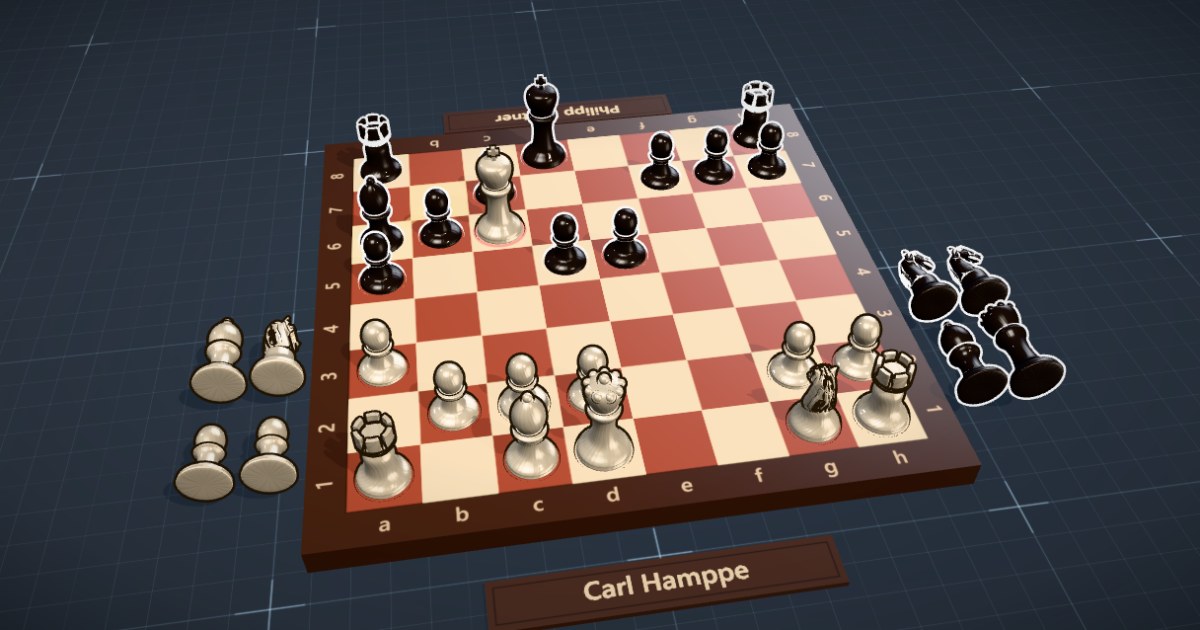 Final position
½–½
The Immortal Draw 1872Carl Hamppe — Philipp Meitner Casual game, Vienna · Vienna Game, Hamppe–Meitner Variation (C25) Black gives away a bishop, a knight, a queen and a knight to walk the white king to c6, and then has nothing left but checks. A bishop given on move three · The king walks to b3 · A queen and two knights · Nothing left but checks18 moves · 8 notes Read annotation →
Final position
½–½
The Immortal Draw 1872Carl Hamppe — Philipp Meitner Casual game, Vienna · Vienna Game, Hamppe–Meitner Variation (C25) Black gives away a bishop, a knight, a queen and a knight to walk the white king to c6, and then has nothing left but checks. A bishop given on move three · The king walks to b3 · A queen and two knights · Nothing left but checks18 moves · 8 notes Read annotation → -
 Winner: Harry Nelson Pillsbury
1–0
Légal’s Mate, a Hundred and Fifty Years On 1900Harry Nelson Pillsbury — Fernandez Simultaneous display, Germany · Vienna Game (C25) Nine moves, and it is the oldest trap in chess: the queen is taken on d1 and mate follows in two. A Vienna Game · The bishop pins the knight · Légal’s Mate9 moves · 9 notes Read annotation →
Winner: Harry Nelson Pillsbury
1–0
Légal’s Mate, a Hundred and Fifty Years On 1900Harry Nelson Pillsbury — Fernandez Simultaneous display, Germany · Vienna Game (C25) Nine moves, and it is the oldest trap in chess: the queen is taken on d1 and mate follows in two. A Vienna Game · The bishop pins the knight · Légal’s Mate9 moves · 9 notes Read annotation →
Bishop’s Opening 2 games
-
Howard Staunton
1–0
One Knight, Five Captures 1841John Cochrane — Howard Staunton Match, London · Bishop’s Opening (C23) A single white knight takes on e5, on f7, on h8 and at last on h7, where it is checkmate. A pawn for the centre · The knight sets off · Both knights in Black’s half · Mated on f820 moves · 15 notes Read annotation →
-
Final position
1–0
Scholar’s Mate TraditionalWhite — Black The four-move mate · Bishop’s Opening (C23) A bishop and a queen both aimed at f7, and the one square in the position that nothing but a king defends. Both barrels at f7 · The wrong defence4 moves · 5 notes Read annotation →
Centre Counter Defence 2 games
-
Final position
1–0
Scachs d’Amor 1475Francesc de Castellví — Narcís Vinyoles Scachs d’amor, Valencia · Centre Counter Defence (B01) The oldest game of modern chess anybody has the moves to — written as a poem, and won by the queen the poem was invented to show off. The new queen comes out · A bishop for a knight · The queen takes the wing · Checks on the light squares · Mated by the queen alone21 moves · 11 notes Read annotation →
-
Final position
1–0
The Peruvian Immortal 1934Esteban Canal — Amateur Simultaneous exhibition, Budapest · Centre Counter Defence (B01) Both rooks and the queen given away in fourteen moves, in a simultaneous display, ending in Boden’s mate. A pawn snatched · Development, both sides · Black castles into it · Two rooks and a queen14 moves · 12 notes Read annotation →
Danish Gambit 2 games
-
 Winner: Jacques Mieses
1–0
Two Rooks on One Square 1903Jacques Mieses — Frank Marshall Monte Carlo · Danish Gambit (C21) A Danish Gambit — two pawns given away by move four — and a rook thrown onto c6 so that the other one can mate on b1. Two pawns for two bishops · The bishops take aim · The king walks to b8 · A rook for the b-file24 moves · 10 notes Read annotation →
Winner: Jacques Mieses
1–0
Two Rooks on One Square 1903Jacques Mieses — Frank Marshall Monte Carlo · Danish Gambit (C21) A Danish Gambit — two pawns given away by move four — and a rook thrown onto c6 so that the other one can mate on b1. Two pawns for two bishops · The bishops take aim · The king walks to b8 · A rook for the b-file24 moves · 10 notes Read annotation → -
Emanuel Lasker
0–1
The World Champion, Mated on g2 1911Emanuel Lasker — Gyula Breyer Budapest · Danish Gambit (C21) Breyer at eighteen gives a rook on h2 and walks the reigning world champion’s king to g2, where a bishop on f5 holds the mating square. The Danish Gambit · The bishop to f5 · Both knights come off on f3 · A rook given on h225 moves · 9 notes Read annotation →
Four Knights Game 2 games
-
Winner: Paul Morphy
0–1
Morphy’s Queen Sacrifice 1857Louis Paulsen — Paul Morphy First American Chess Congress, New York · Four Knights Game (C48) Morphy offers his queen for a pawn on move seventeen and mates eight moves later with a rook and a bishop. Four Knights · A pawn grabbed · Both queens on the wing · The queen offered · A rook and a bishop25 moves · 17 notes Read annotation →
-
Winner: José Raúl Capablanca
1–0
Capablanca in Hollywood 1933José Raúl Capablanca — Herman Steiner Los Angeles · Four Knights Game (C49) Capablanca gives up both rooks and a knight to walk a king from g8 to c5, and mates him there with the queen. A quiet Four Knights · Both bishops traded off · The rook on f6 · The king walked to c525 moves · 9 notes Read annotation →
Grünfeld Defence 2 games
-
Winner: Bobby Fischer
0–1
The Game of the Century 1956Donald Byrne — Bobby Fischer Rosenwald Memorial, New York · Grünfeld Defence (D97) Fischer, thirteen years old, gives up his queen on move seventeen and mates the white king on move forty-one. Grünfeld · The queen wanders · The queen, offered · Three pieces for a queen · Grinding it home · g1 to b141 moves · 20 notes Read annotation →
-
 Winner: Alexei Shirov
0–1
The Bishop on h3 1998Veselin Topalov — Alexei Shirov Linares · Grünfeld Defence, Exchange (D85) A bishop put on h3 in a dead-drawn endgame, where a pawn takes it for nothing — and it is the move that wins the game. An Exchange Grünfeld · Every piece traded off · Down to bishops and pawns · The bishop on h353 moves · 5 notes Read annotation →
Winner: Alexei Shirov
0–1
The Bishop on h3 1998Veselin Topalov — Alexei Shirov Linares · Grünfeld Defence, Exchange (D85) A bishop put on h3 in a dead-drawn endgame, where a pawn takes it for nothing — and it is the move that wins the game. An Exchange Grünfeld · Every piece traded off · Down to bishops and pawns · The bishop on h353 moves · 5 notes Read annotation →
King’s Gambit Declined 2 games
-
Winner: Alexander Alekhine
1–0
Castling With Check 1911Alexander Alekhine — Oscar Tenner Cologne · King’s Gambit Declined, Classical (C30) Alekhine lets his queen be taken on d1, castles with check four moves later, and mates a king standing on e5. A King’s Gambit declined · The bishops take over · A queen for two bishops · Castling, and mate15 moves · 9 notes Read annotation →
-
 Winner: David Bronstein
1–0
A Knight on a7 1947David Bronstein — Vasily Panov Moscow championship · King’s Gambit Declined, Classical (C30) Two pawns walk up the queenside into a castled king, and the mate is a knight on a7 with a rook held by a pawn on a6. A King’s Gambit declined · Black castles into the pawns · A knight and a bishop given · Mated on c834 moves · 12 notes Read annotation →
Winner: David Bronstein
1–0
A Knight on a7 1947David Bronstein — Vasily Panov Moscow championship · King’s Gambit Declined, Classical (C30) Two pawns walk up the queenside into a castled king, and the mate is a knight on a7 with a rook held by a pawn on a6. A King’s Gambit declined · Black castles into the pawns · A knight and a bishop given · Mated on c834 moves · 12 notes Read annotation →
Modern Defence 2 games
-
 Tigran Petrosian
½–½
A Rook Given for a Draw 1966Tigran Petrosian — Boris Spassky World Championship, Moscow · Modern Defence (A42) Petrosian gives a rook on g7 at a world championship and gets a perpetual check for it: the rook checks on g7, f7, g7, g6, g7 and cannot stop. A Modern Defence at a world championship · Both kings walk about · A rook given on g7 · Perpetual check39 moves · 7 notes Read annotation →
Tigran Petrosian
½–½
A Rook Given for a Draw 1966Tigran Petrosian — Boris Spassky World Championship, Moscow · Modern Defence (A42) Petrosian gives a rook on g7 at a world championship and gets a perpetual check for it: the rook checks on g7, f7, g7, g6, g7 and cannot stop. A Modern Defence at a world championship · Both kings walk about · A rook given on g7 · Perpetual check39 moves · 7 notes Read annotation → -
 Hikaru Nakamura
0–1
The Bishop From Move Five 2023Hikaru Nakamura — Daniel Naroditsky Bullet event, chess.com · Modern Defence (B06) Sixteen moves of bullet chess: the queen steps to e2 beside the king, held by a bishop that came to g4 on move five. A Modern Defence · b5 and b4 · The knight on c3, taken · Mated on e116 moves · 8 notes Read annotation →
Hikaru Nakamura
0–1
The Bishop From Move Five 2023Hikaru Nakamura — Daniel Naroditsky Bullet event, chess.com · Modern Defence (B06) Sixteen moves of bullet chess: the queen steps to e2 beside the king, held by a bishop that came to g4 on move five. A Modern Defence · b5 and b4 · The knight on c3, taken · Mated on e116 moves · 8 notes Read annotation →
Nimzo-Indian Defence 2 games
-
Winner: Mikhail Botvinnik
1–0
Ba3, and Nothing Takes It 1938Mikhail Botvinnik — José Raúl Capablanca AVRO, Amsterdam · Nimzo-Indian Defence, Botvinnik System (E49) A bishop put on a3 where the queen must take it, so that a knight can check on h5 and a pawn can run to e7. A Nimzo-Indian, and doubled pawns · Both queens on the wings · The pawns to e6 and f5 · Ba3, and eight checks41 moves · 16 notes Read annotation →
-
 Winner: Max Euwe
0–1
Euwe, at Fifty-Two 1953Efim Geller — Max Euwe Candidates Tournament, Zürich · Nimzo-Indian Defence, Sämisch (E28) White has a rook on h4 and a mate coming; Black plays for the c-file instead, and gets there one move first. A Sämisch Nimzo-Indian · White’s pawns, Black’s c-file · Both attacks at once · The second rank26 moves · 9 notes Read annotation →
Winner: Max Euwe
0–1
Euwe, at Fifty-Two 1953Efim Geller — Max Euwe Candidates Tournament, Zürich · Nimzo-Indian Defence, Sämisch (E28) White has a rook on h4 and a mate coming; Black plays for the c-file instead, and gets there one move first. A Sämisch Nimzo-Indian · White’s pawns, Black’s c-file · Both attacks at once · The second rank26 moves · 9 notes Read annotation →
Old Indian Defence 2 games
-
Winner: Alexander Kotov
0–1
The Queen Given on h3 1953Yuri Averbakh — Alexander Kotov Candidates Tournament, Zürich · Old Indian Defence (A55) A queen given on h3 for a pawn, and then twenty moves of a white king pinned between g4 and f5 by one knight. An Old Indian, and a closed centre · g4 and f5 · The queen on h3 · The knight checks, and checks51 moves · 12 notes Read annotation →
-
Winner: Rashid Nezhmetdinov
0–1
The Queen for Three Pieces and a King 1958Lev Polugaevsky — Rashid Nezhmetdinov Russian Championship, Sochi · Old Indian Defence (A53) A queen given on h2 and never recovered: two rooks, two knights and a bishop walk the white king from f2 to a5. An Old Indian, and both queens out · Pawns at each other on the kingside · The queen sits on h2 · The king walked to a533 moves · 11 notes Read annotation →
Petrov Defence 2 games
-
 Winner: Géza Maróczy
1–0
The Knight That Never Moved 1900Géza Maróczy — Jackson Showalter Paris · Petrov Defence, Modern Attack (C43) A back-rank mate on e8 that works only because Black’s knight is still standing on b8, in his own rook’s way. The Petrov, and a knight on e5 · Everything traded off · The rook to d6 · Mated on the back rank18 moves · 9 notes Read annotation →
Winner: Géza Maróczy
1–0
The Knight That Never Moved 1900Géza Maróczy — Jackson Showalter Paris · Petrov Defence, Modern Attack (C43) A back-rank mate on e8 that works only because Black’s knight is still standing on b8, in his own rook’s way. The Petrov, and a knight on e5 · Everything traded off · The rook to d6 · Mated on the back rank18 moves · 9 notes Read annotation → -
 Winner: Vugar Gashimov
0–1
Mate With the Board Unseen 2011Vassily Ivanchuk — Vugar Gashimov Amber blindfold, Monaco · Petrov Defence (C42) Two grandmasters playing without sight of the board, and it is mated in twenty-eight moves — on a1, by two rooks. A Petrov, blindfold · The bishop chased across · Both rooks to the b-file · Mated on a128 moves · 9 notes Read annotation →
Winner: Vugar Gashimov
0–1
Mate With the Board Unseen 2011Vassily Ivanchuk — Vugar Gashimov Amber blindfold, Monaco · Petrov Defence (C42) Two grandmasters playing without sight of the board, and it is mated in twenty-eight moves — on a1, by two rooks. A Petrov, blindfold · The bishop chased across · Both rooks to the b-file · Mated on a128 moves · 9 notes Read annotation →
Ponziani Opening 2 games
-
Winner: Mikhail Chigorin
1–0
A Bishop Left on f7 1889Mikhail Chigorin — George Gossip Sixth American Chess Congress, New York · Ponziani Opening (C44) A bishop parked on f7 for three moves where the king cannot take it, and a knight arriving on d6 with two checks at once. The Ponziani · A closed centre · The bishop on f715 moves · 11 notes Read annotation →
-
Winner: Mikhail Chigorin
1–0
The Pawn That Queened Sideways 1901Mikhail Chigorin — Szymon Winawer Monte Carlo · Ponziani Opening (C44) A pawn walks to e7 and stays there, and eight moves later it is the piece that covers f8 while the queen mates. The Ponziani again · A knight back to b8 · The pawn reaches e7 · The bishop on f720 moves · 11 notes Read annotation →
Queen’s Pawn Game 2 games
-
Winner: Garry Kasparov
1–0
The Pawn on h6 1991Garry Kasparov — Gata Kamsky Linares · Queen’s Pawn Game (A50) The queens come off on move fifteen and Kasparov mates anyway — with two rooks, and a pawn that walked to h6 and stopped. A Grünfeld, and both centres · The h-pawn walks · Queens off, and the pawn stops · Two rooks on the sixth31 moves · 11 notes Read annotation →
-
Winner: Magnus Carlsen
1–0
The Hundred and Thirty-Six Move Game 2021Magnus Carlsen — Ian Nepomniachtchi World Championship, Dubai · Queen’s Pawn Game, Pseudo-Catalan (D02) The queen given for two rooks, then a rook given back for a bishop — and a rook and a knight ground a queen down over fifty-four moves. A Catalan without c4 · The queen for two rooks · Rooks against a queen · A rook back for a bishop · A bare queen holds out · The knight to g3136 moves · 15 notes Read annotation →
Scotch Gambit 2 games
-
Winner: Paul Morphy
0–1
Both Rooks, and a Knight on f3 1855Alexander Meek — Paul Morphy Casual game, New Orleans · Scotch Gambit (C44) Morphy loses one rook in the corner, gives the other away on g2, and mates with a knight on the square the g-pawn was defending. The Scotch, and both kings away · Knights traded on f7 · White collects · The king in the corner25 moves · 15 notes Read annotation →
-
Winner: Wilhelm Steinitz
0–1
The Queen Given on h2 1860Reiner — Wilhelm Steinitz Match, Vienna · Scotch Gambit (C44) Steinitz gives his queen on h2 so that a rook can come to g1, where a knight standing on f3 holds it. The Scotch Gambit · Two bishops for a rook · The knight to f3 · The queen for the g-file18 moves · 11 notes Read annotation →
Scotch Game 2 games
-
Winner: Max Euwe
1–0
The Knight Given on g6 1920Max Euwe — Eelke Wiersma Match, Amsterdam · Scotch Game (C45) Euwe at nineteen puts a knight on g6 where a pawn has to take it, and the rook swings to h4 with nothing left on the file. The Scotch, and the knights off · f4 and e5 · The knight to d5 · A knight for the h-file20 moves · 9 notes Read annotation →
-
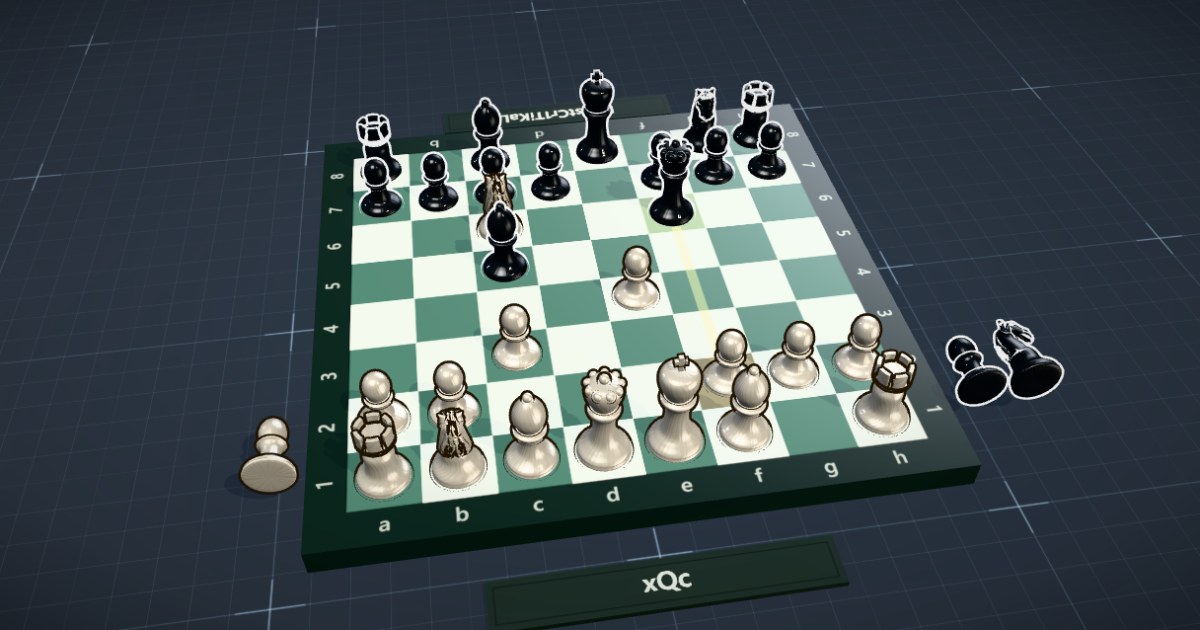 Final position
0–1
Six Moves, on Stream 11 June 2020xQc — MoistCr1TiKaL PogChamps, chess.com · Scotch Game (C45) A knight steps aside to win a knight, and the bishop it had been standing in front of has been aimed at f2 since move four. The Scotch, walked into · Three attackers, two defenders6 moves · 7 notes Read annotation →
Final position
0–1
Six Moves, on Stream 11 June 2020xQc — MoistCr1TiKaL PogChamps, chess.com · Scotch Game (C45) A knight steps aside to win a knight, and the bishop it had been standing in front of has been aimed at f2 since move four. The Scotch, walked into · Three attackers, two defenders6 moves · 7 notes Read annotation →
Semi-Slav Defence 2 games
-
Winner: José Raúl Capablanca
1–0
Capablanca’s Last Olympiad 1939José Raúl Capablanca — Guillermo Vassaux Olympiad, Buenos Aires · Semi-Slav Defence (D47) Buenos Aires 1939, the Olympiad that opened three weeks before the war: Capablanca gives a rook on h7 and mates on h6. A Semi-Slav, and a knight to e5 · f4 and g4 · Both rooks lifted · A rook given on h730 moves · 10 notes Read annotation →
-
Winner: Viswanathan Anand
0–1
Every Piece at Once, in Twenty-Three Moves 2013Levon Aronian — Viswanathan Anand Tata Steel, Wijk aan Zee · Semi-Slav Defence, Meran (D47) A knight taken on h7 for a pawn, and Black answers with three pieces to the same corner and a bishop on e3 that nothing can touch. A Meran Semi-Slav · The knight takes h7 · Four pieces in five moves · The bishop to e323 moves · 12 notes Read annotation →
Semi-Tarrasch Defence 2 games
-
Winner: Akiba Rubinstein
0–1
Rubinstein’s Immortal 1907Georg Rotlewi — Akiba Rubinstein Łódź · Semi-Tarrasch Defence (D40) Two rooks offered on squares a knight and a queen are standing on, and the last quiet move is the one that wins. A Semi-Tarrasch, both sides developing · Every piece pointed at one king · Two rooks offered · The rook on h325 moves · 12 notes Read annotation →
-
 Winner: Judit Polgár
1–0
A Queen That Never Moved 1999Judit Polgár — A. Kolb Simultaneous display, Frankfurt · Semi-Tarrasch Defence (D40) Twelve moves drag a king out to f5, and one of the pieces in the mating net is a white queen still sitting on d1. A Semi-Tarrasch · The knight to b5 and c7 · The king walks to f513 moves · 10 notes Read annotation →
Winner: Judit Polgár
1–0
A Queen That Never Moved 1999Judit Polgár — A. Kolb Simultaneous display, Frankfurt · Semi-Tarrasch Defence (D40) Twelve moves drag a king out to f5, and one of the pieces in the mating net is a white queen still sitting on d1. A Semi-Tarrasch · The knight to b5 and c7 · The king walks to f513 moves · 10 notes Read annotation →
Three Knights Game 2 games
-
Winner: Joseph Henry Blackburne
1–0
Blackburne Beats the Champion 1883Joseph Henry Blackburne — Wilhelm Steinitz London · Three Knights Game (C46) A rook lifted to h3, a rook given away on f8, and the queen taking the h-pawn with the other rook holding her there. The Four Knights · The dark squares traded · The pawns break · Two rooks and a queen on h27 moves · 13 notes Read annotation →
-
Magnus Carlsen
½–½
Both Rooks, for Half a Point 2023Magnus Carlsen — Hikaru Nakamura Speed Chess Championship final, chess.com · Three Knights Game, Steinitz Variation (C46) The last game of the match, and Carlsen is the one being mated: he gives a rook on c5, a rook on c7, and then checks for the rest of his life. Both kings on the queenside · A bishop buried on a2 · The pawns walk at the king · Two rooks, and no way to stop checking44 moves · 15 notes Read annotation →